BY:SpaceEyeNews.
🔷 Introduction: A Pattern Emerging in Orbit
Another Starlink satellite anomaly debris event has unfolded in low Earth orbit—marking the second occurrence in just over three months. The timing is hard to ignore. Space is becoming more crowded, and even minor anomalies now carry broader implications.
This latest case involved a relatively new satellite that suddenly lost contact before releasing multiple debris fragments. Tracking systems quickly confirmed the presence of dozens of objects near its orbital path. While the immediate risk remains limited, the repetition of such events shifts the conversation.
This is no longer an isolated malfunction. It is a developing pattern—one that raises deeper questions about reliability at scale.
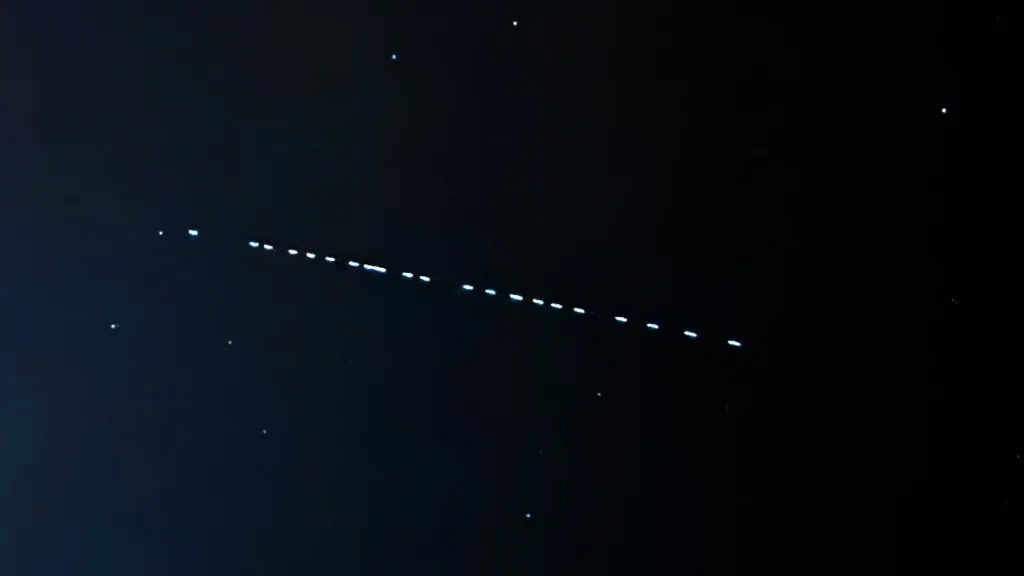
This Is What SpaceX’s Starlink Satellites Look Like in the Night Sky!
🔷 Starlink Satellite Anomaly Debris Event Explained
The most recent Starlink satellite anomaly debris incident occurred on March 29, 2026. The satellite, operating at approximately 560 kilometers above Earth, had been in orbit for less than a year.
Communication with the spacecraft abruptly stopped. Soon after, tracking systems detected multiple fragments forming nearby. Early observations identified dozens of objects, with the possibility of more remaining undetected.
🔹 Not a Complete Breakup
Unlike catastrophic satellite failures, this event did not fully destroy the spacecraft. Evidence suggests a partial fragmentation. Some components separated, but the main structure likely remains intact.
This distinction matters. It points toward an internal disruption rather than a high-energy external impact.
🔹 A Familiar Scenario
A nearly identical incident took place in December 2025. That earlier case also produced debris while leaving the satellite largely intact. Imaging later confirmed that much of the structure survived.
In that instance, the spacecraft experienced rapid propellant venting and a measurable drop in altitude. The sequence closely mirrors what is now being observed again.
🔹 A Repeating Signature
Both events share a clear pattern:
- Sudden loss of communication
- Release of debris fragments
- Partial structural survival
- No confirmed external trigger
Taken together, these similarities suggest a recurring failure mode rather than isolated coincidence.
🔷 Inside the Cause of Starlink Satellite Failures
The exact cause behind these Starlink satellite anomaly debris events remains under investigation. However, available evidence points strongly toward internal system behavior.
🔹 Internal Energy Release
The most likely explanation involves an internal energetic source. This includes systems such as propellant tanks or onboard batteries. Under certain conditions, stored energy can release rapidly, leading to fragmentation.
In the December event, a rapid propellant release appeared to trigger the anomaly. The resulting pressure change likely caused components to separate.
🔹 Not an External Collision
Importantly, there is no indication of an external impact. No debris strike or micrometeoroid collision has been linked to either incident. This reinforces the idea that the issue originates within the spacecraft itself.
🔹 Scaling Effects in Large Constellations
Starlink operates at a scale unmatched in previous space systems. Thousands of satellites are already active in orbit. As that number grows, even rare anomalies become visible more often.
A failure rate that appears negligible in small systems can produce noticeable patterns at scale.
🔹 Engineering Under Continuous Stress
Satellites in low Earth orbit experience ongoing stress factors:
- Thermal cycling from sunlight and shadow
- Battery charge and discharge cycles
- Long-term propellant system use
Over time, these conditions can affect internal components. When multiplied across thousands of units, small vulnerabilities may begin to surface more frequently.
🔹 Ongoing Investigation
Engineers are now working to determine the root cause of the latest anomaly. Any confirmed findings will likely lead to adjustments in future satellite batches.
Until then, the recurrence remains a key concern.
🔷 Starlink Satellite Anomaly Debris and Orbital Safety Risks
Despite initial concerns, the immediate risk from this Starlink satellite anomaly debris event remains low.
🔹 Rapid Natural Cleanup
The satellite operated at a relatively low altitude. At this level, atmospheric drag gradually pulls debris downward. Most fragments are expected to reenter Earth’s atmosphere within weeks and burn up.
🔹 No Impact on Key Missions
Current assessments confirm that the debris poses no threat to the International Space Station. It also does not interfere with the upcoming Artemis 2.
This significantly reduces short-term operational risk.
🔹 Short-Term Complexity Still Matters
Even temporary debris introduces complications. Each fragment must be tracked and monitored. For a brief period, collision probability increases slightly within the local orbital environment.
Operators must account for these variables in real time.
🔹 A More Crowded Orbit
Low Earth orbit is becoming increasingly dense. Satellite constellations now dominate the region. As traffic grows, even minor anomalies contribute to a more complex environment.
The challenge is no longer just avoiding large debris. It is managing a constantly shifting network of objects.
🔹 The Real Concern: Frequency
The true issue lies in repetition. A single event is manageable. A pattern of similar events introduces uncertainty. Over time, this could affect how space traffic is managed and regulated.
🔷 How SpaceX Is Responding to the Anomaly
Following the latest Starlink satellite anomaly debris event, SpaceX confirmed that it is actively investigating the issue. The company aims to identify the root cause and implement corrective measures.
🔹 Launches Continue Without Pause
Unlike the previous incident, there was no noticeable delay in launch activity. A Falcon 9 rocket deployed additional Starlink satellites just hours after the anomaly was confirmed.
🔹 Confidence or Urgency?
This decision may reflect confidence in the overall system. It may also indicate the importance of maintaining deployment schedules. Either way, it highlights the balance between operational momentum and technical caution.
🔹 A Changing Industry Standard
As satellite constellations expand, expectations evolve. Operators must now demonstrate not only performance but also resilience and reliability at scale.
Meanwhile, tracking networks play a critical role in monitoring events and providing real-time awareness.
🔹 Growing Attention Ahead
Repeated anomalies may draw increased attention from regulators and industry bodies. This could lead to stricter guidelines on:
- Satellite reliability
- Debris mitigation
- End-of-life disposal
The conversation is gradually shifting toward long-term sustainability.
🔷 What This Means for the Future of Mega-Constellations
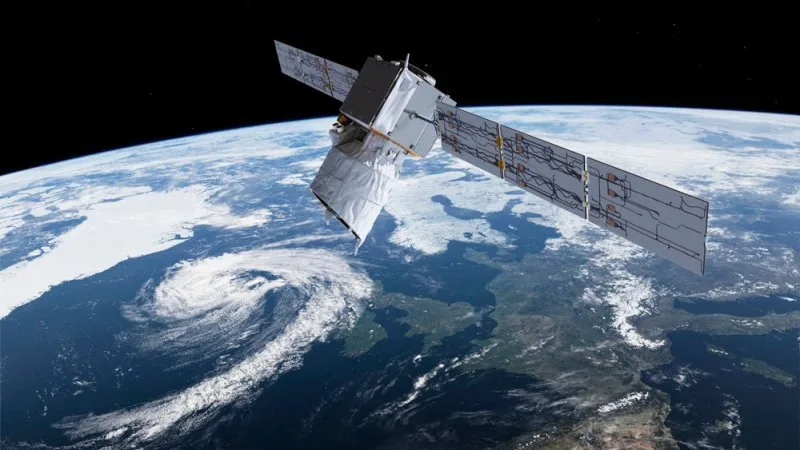
The Starlink satellite anomaly debris story reflects a broader turning point in space operations.
🔹 Scale Redefines Risk
Mega-constellations operate in numbers never seen before. Even a low failure rate becomes visible. Patterns emerge quickly, and small issues scale into system-level concerns.
🔹 Reliability as a Core Requirement
Future systems must go beyond functionality. They must maintain stability over long operational periods. This includes preventing internal failures and minimizing debris generation.
🔹 Advancing Satellite Design
Next-generation spacecraft will likely include:
- Enhanced fault detection systems
- Autonomous safety responses
- More robust structural design
These improvements aim to reduce the impact of anomalies when they occur.
🔹 Faster Exit Strategies
Efficient deorbit systems will become increasingly important. Failed satellites must leave orbit quickly to reduce risk exposure. Low orbital altitudes already help, but further optimization may follow.
🔹 A Defining Phase for Space Infrastructure
Mega-constellations are no longer experimental. They are becoming essential infrastructure. With that shift comes a greater responsibility to maintain a stable and sustainable orbital environment.
🔷 Conclusion: A Small Event with Bigger Signals
The latest Starlink satellite anomaly debris event poses no immediate danger. Most fragments will disappear naturally within weeks. Critical missions remain unaffected.
Yet the broader implications are clear.
This is the second similar anomaly in a short time frame. That repetition points to a pattern. It highlights the challenges of operating complex systems at massive scale.
The future of space will depend not only on expansion, but on reliability. As more satellites enter orbit, the key question is no longer whether anomalies will occur—but how often, and how effectively they are managed.
🔗 Sources:
- https://spacenews.com/second-starlink-satellite-suffers-anomaly-generating-debris/
- https://leolabs.space/
- https://www.spacex.com/