
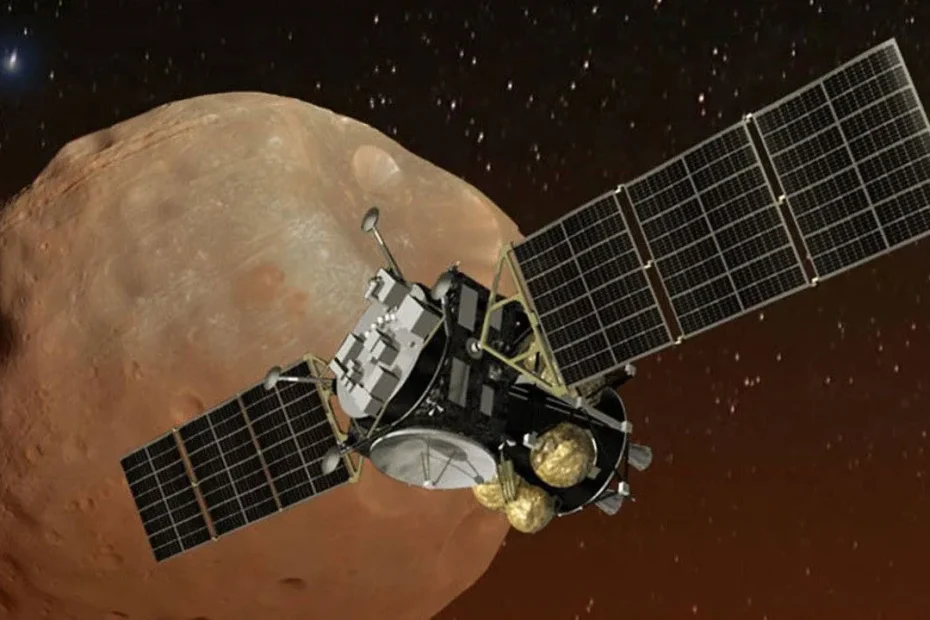
MMX mission: NASA Technology Could Unlock Phobos’ Secrets
BY:SpaceEyeNews. The MMX mission could answer a question that has followed Mars exploration for decades: where did its two moons come from? Japan’s spacecraft will…
BY:SpaceEyeNews. The MMX mission could answer a question that has followed Mars exploration for decades: where did its two moons come from? Japan’s spacecraft will…
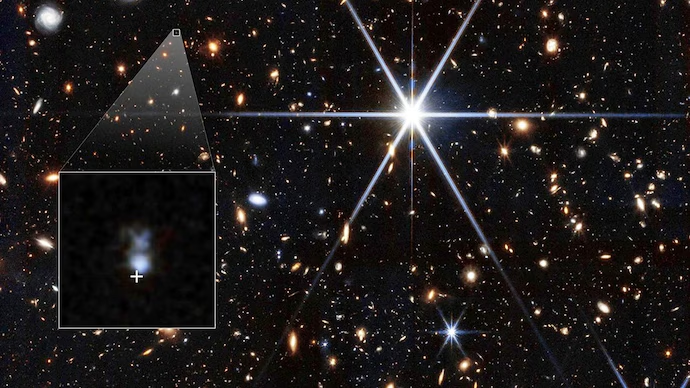
BY:SpaceEyeNews. The most distant fast radio burst ever identified has led astronomers to an unexpected home: a tiny galaxy buzzing with star formation. Its radio…
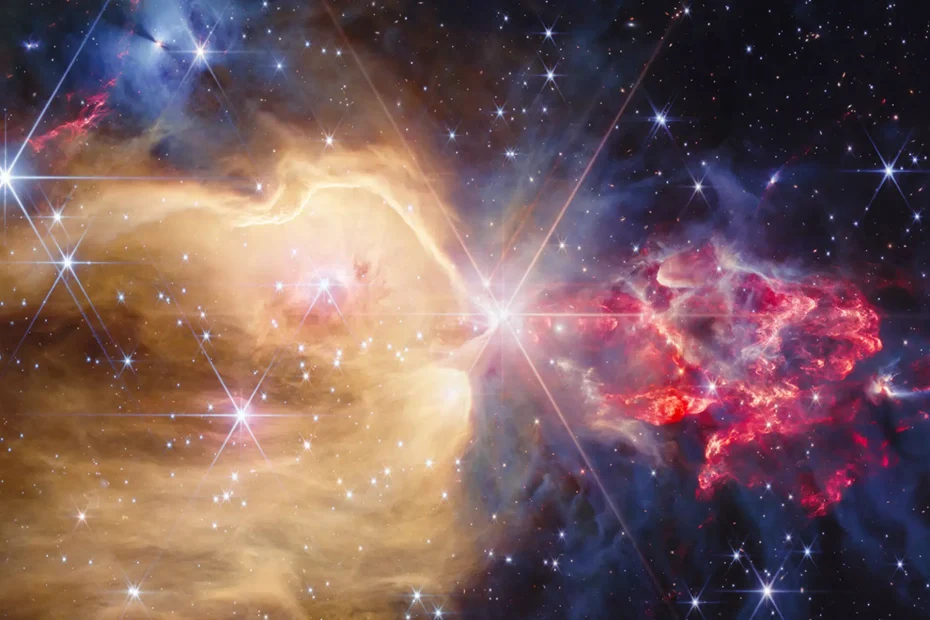
BY:SpaceEyeNews. Young stars are reshaping NGC 7129, and the James Webb Space Telescope has revealed the activity in remarkable detail. Around 3,300 light-years from Earth,…
BY:SpaceEyeNews. Alien life detection could gain a new tool small enough for future spacecraft: an electrical sensor that reads individual molecules. Researchers at the University…
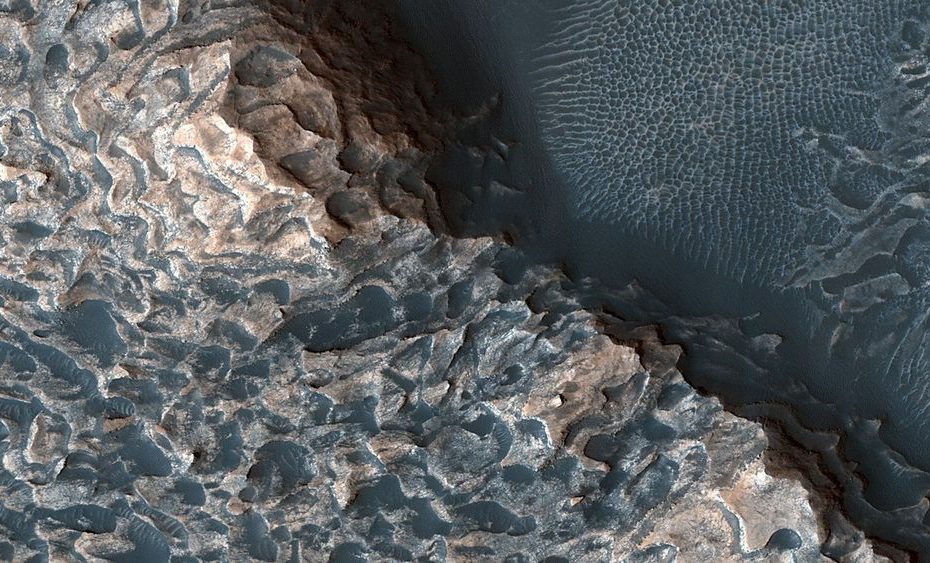
BY:SpaceEyeNews. Relativistic Heavy Ion Collider(RHIC) experiments have revealed an unexpected dip in particle behavior, opening a fresh question about matter under extreme conditions. Scientists studying…
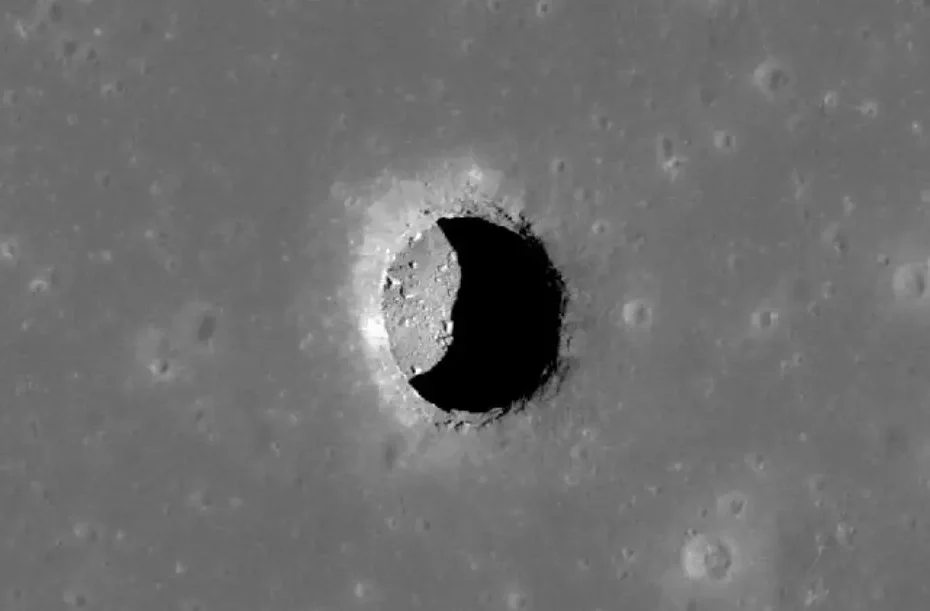
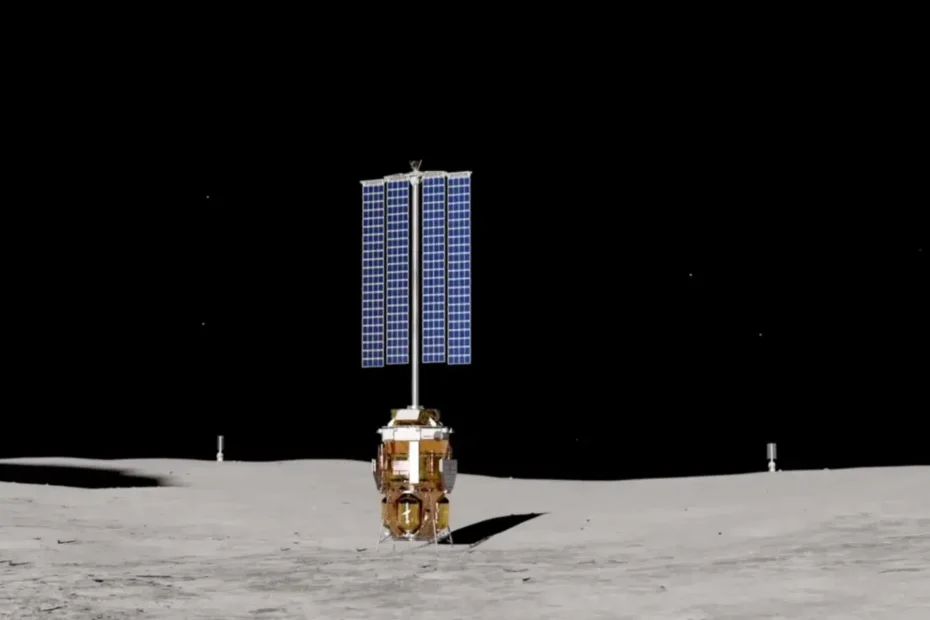
BY:SpaceEyeNews. The Marius Hills Pit could open into a much larger underground space, and NASA has selected a project to investigate. Called GIMLI, the effort…
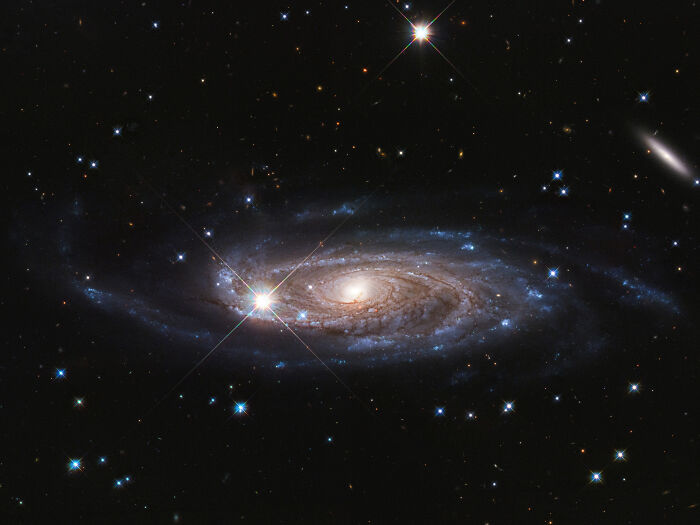
BY:SpaceEyeNews. Could our universe exist inside a black hole? A puzzling pattern in James Webb Space Telescope images has brought that question back into focus.…
BY:SpaceEyeNews. Tiny magnetic fields from the early universe could help explain the Hubble tension, a stubborn mismatch in cosmic expansion measurements. Their influence may have…
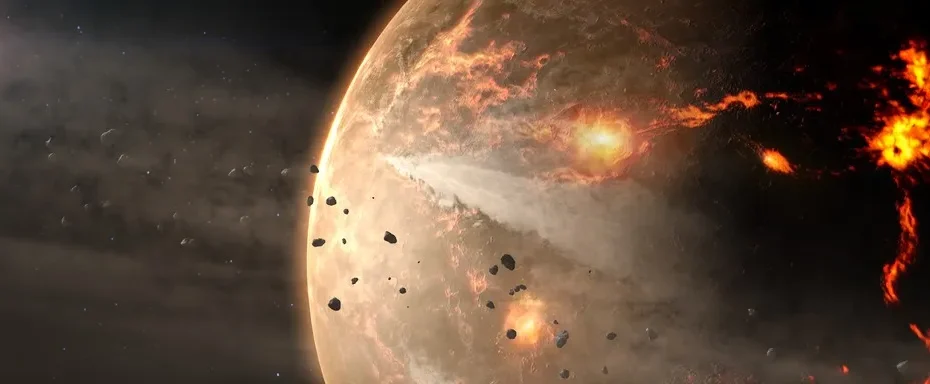
BY:SpaceEyeNews. Webb planet collisions research is revealing what distant worlds leave behind after major impacts. Around other stars, warm dust carries mineral clues to encounters…
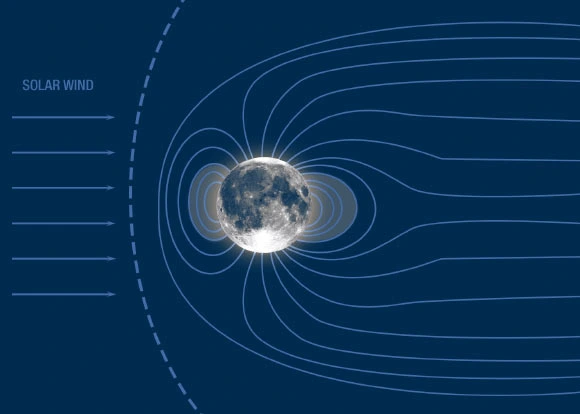
BY:SpaceEyeNews. The Moon’s ancient magnetic field may have left a remarkable record beneath its far side. Researchers have identified a buried volcanic formation that could…