BY:SpaceEyeNews.
Introduction: What Happens If the Sun Disappears?
What happens if the Sun disappears? For about eight minutes, nothing would seem different. However, that brief calm hides a dramatic shift already underway. Soon after, the sky turns black, temperatures begin to fall, and Earth quietly starts drifting into deep space.
To understand this scenario, scientists run simulations that test Earth’s dependence on its star. As a result, the findings are striking. They show a rapid collapse of light, climate, and life systems.
This is not simply a loss of daylight. Instead, it marks a full planetary shutdown. From the halt of photosynthesis to the freezing of oceans, every system that supports life begins to fail.
So, what happens if the Sun disappears? Step by step, the answer unfolds—and each stage becomes more severe than the last.
What Happens If the Sun Disappears in the First 8 Minutes
At first, Earth would appear unchanged. Because sunlight takes about 8 minutes and 20 seconds to arrive, illumination continues briefly. During this window, daily life would seem completely normal.
Nevertheless, that delay ends abruptly.
At that moment, the Sun vanishes from the sky. Instantly, darkness becomes absolute. Meanwhile, the Moon disappears as well, since it depends on reflected sunlight. In contrast, only distant stars remain visible.
Perception vs Physical Reality
Interestingly, this stage highlights a key concept. Human perception lags behind physical change. Even though the Sun would already be gone, Earth would still receive its final light.
At the same time, gravity follows the same delay. Once those minutes pass, the planet no longer feels the Sun’s pull.
What Happens If the Sun Disappears: Earth Leaves Its Orbit
Beyond light, the Sun also controls the solar system through gravity. Therefore, once that force disappears, orbital motion ends immediately.
Instead of circling the Sun, Earth continues forward in a straight line. This path reflects its last direction of motion through space. Similarly, other planets follow the same behavior.
As a result, the solar system loses its structure.
A System Without a Center
Without a central force, stable orbits no longer exist. Consequently, planets become isolated bodies drifting through space. Rather than a gradual shift, this transformation happens all at once.
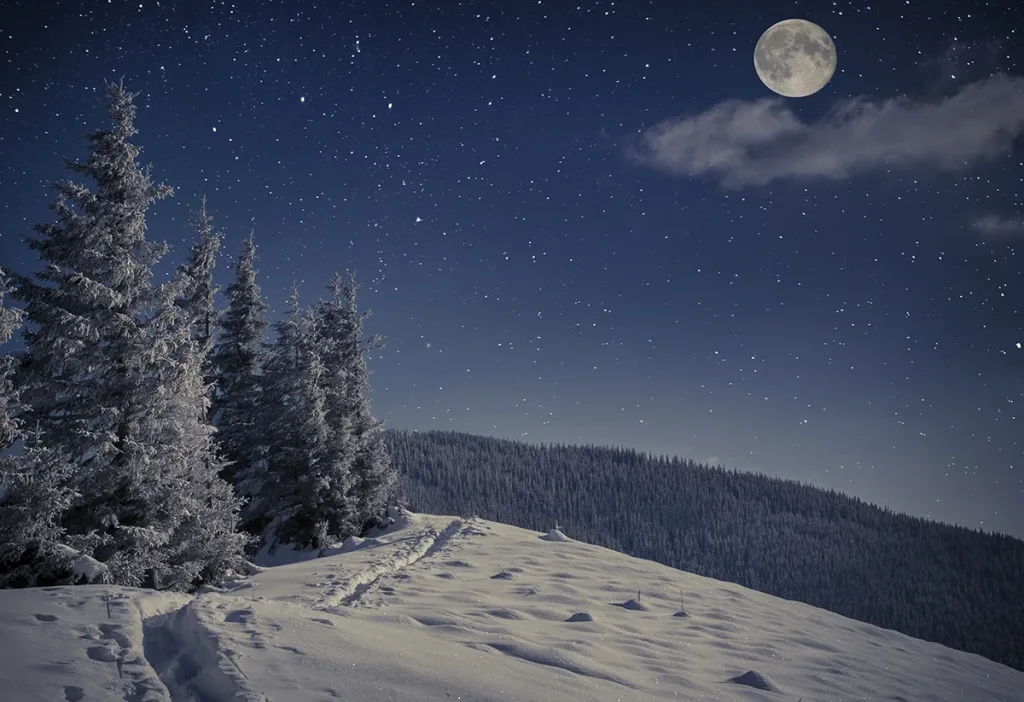
What if the sun disappeared for a week?!
What Happens If the Sun Disappears: The Collapse of Life Begins
At its core, life on Earth depends on sunlight. Most importantly, photosynthesis provides the foundation for nearly all ecosystems.
Once sunlight disappears, that process stops immediately.
As a consequence, plants begin to die. Although some may remain dormant for a short time, they cannot survive without continuous energy input.
Food Chains Unravel
Because plants form the base of food chains, their loss triggers a cascade. Herbivores lose their primary nutrition source. Soon after, predators face the same challenge.
In the short term, fungi may benefit from increased organic material. However, as temperatures continue to fall, even these systems weaken.
Delayed Collapse, Inevitable Outcome
In some cases, certain organisms might persist for weeks or even months. For example, seeds and dormant species could extend survival briefly. Still, the overall outcome does not change.
Without photosynthesis, most life cannot continue.
What Happens If the Sun Disappears: Earth’s Temperature Collapse
Immediately after the loss of solar energy, Earth begins cooling. Not only is the drop rapid, but it is also severe.
Estimates suggest temperatures fall by around 20°C per day. Consequently, within days, most regions drop below freezing.
How the Planet Freezes
Initially, smaller bodies of water freeze first. Lakes and rivers solidify within days or weeks. Meanwhile, larger bodies respond more slowly.
Oceans behave differently due to their depth. While surface layers freeze early, deeper water remains liquid for longer.
The Ocean’s Temporary Protection
In fact, oceans act as thermal buffers. They slow down the cooling process. Even so, they cannot prevent it entirely.
Over time, thick ice layers form across the surface. Beneath them, some liquid water may remain trapped and isolated.
Reaching Deep-Space Conditions
Eventually, Earth continues losing heat until it matches the surrounding universe. At that stage, temperatures approach −270°C.
At this point, the planet resembles the cold background of space itself.
What Happens If the Sun Disappears: Where Life Might Persist
Despite extreme conditions, a few environments could still support limited life.
Deep Ocean Ecosystems
For instance, hydrothermal vents release heat from Earth’s interior. These systems already function without sunlight. Instead, they rely on chemical energy.
Because of this, microbial life in these regions could persist much longer.
Geothermal Pockets Underground
Likewise, underground environments with geothermal heat may remain active. In these areas, certain microbial ecosystems could continue to exist.
Natural Limits of Survival
Even so, survival remains highly constrained. Energy sources are limited, and ecosystems stay small.
Ultimately, most life on Earth would still disappear.
What Happens If the Sun Disappears: Can Humans Survive?
Under these conditions, human survival would depend entirely on technology.
Life Below the Surface
To begin with, underground environments offer protection from extreme cold. Caves or engineered habitats could provide temporary shelter.
Energy and Food Systems
However, survival requires reliable energy. Nuclear and geothermal sources become essential. At the same time, artificial lighting must replace sunlight for agriculture.
As expected, food production becomes the central challenge. Crops must grow without natural light, placing pressure on available systems.
The Limits of Sustainability
Although small groups might survive temporarily, scaling this system is difficult. Resources remain finite, and infrastructure requires constant maintenance.
Therefore, long-term survival remains uncertain.
What Happens If the Sun Disappears: Earth as a Rogue Planet
Over time, Earth undergoes a complete transformation.
Gradually, the surface freezes solid. Meanwhile, the atmosphere changes, and ecosystems disappear.
Eventually, the planet continues drifting through space without a star. At that point, it becomes a rogue planet.
A Silent World in Motion
Across the galaxy, rogue planets already exist. They travel freely without orbiting a star.
In the same way, Earth would join this category—a frozen world carrying the remnants of its past through interstellar space.
Conclusion: What Happens If the Sun Disappears and Why It Matters
What happens if the Sun disappears reveals a fundamental truth about our planet.
Within minutes, light fades. Shortly after, temperatures collapse. Over time, ecosystems fail completely.
Altogether, this scenario highlights how fragile Earth’s balance really is. More importantly, it shows how rare stable, life-supporting environments may be.
So, what happens if the Sun disappears? Ultimately, Earth becomes a dark, frozen world drifting through space—and life, as we know it, quietly comes to an end.
Sources:
- https://dailygalaxy.com/2026/04/what-would-happen-if-the-sun-disappeared/
- https://www.livescience.com/what-if-sun-disappeared
- https://science.nasa.gov/sun/
- https://www.britannica.com/science/Sun