
BY:SpaceEyeNews.
Introduction: Artemis III Mission Changes Signal a Strategic Shift
The Artemis III mission changes mark a decisive moment in NASA’s return-to-the-Moon strategy. While Artemis II is still completing its mission, NASA is already redefining what comes next. Artemis III is no longer expected to land astronauts on the lunar surface. Instead, it will operate in Earth orbit as a full-scale test mission.
This is not a simple delay. It is a strategic recalibration. NASA is choosing precision over speed, and validation over risk. By restructuring Artemis III, the agency aims to ensure that every critical system works together before committing to a lunar landing.
These Artemis III mission changes reveal a broader transformation. NASA is no longer focused on a single milestone. It is building a sustainable pathway for long-term human presence beyond Earth.
Why Artemis III Mission Changes Were Necessary
From Direct Landing to Orbital Rehearsal
The Artemis III mission changes redefine the mission’s purpose. Rather than attempting a complex lunar landing, NASA will conduct a full operational rehearsal in Earth orbit. This approach allows engineers to test systems under real mission conditions while maintaining a margin of safety.
As a result, the first human landing of the Artemis era shifts to a later mission. That adjustment provides time to refine hardware, validate procedures, and improve mission coordination.
Systems Still Maturing
Several mission-critical systems are still progressing toward readiness. The Human Landing System depends on two advanced spacecraft:
- SpaceX Starship
- Blue Moon lander
Both platforms are advancing quickly, yet they require integrated testing at scale. Coordinating these vehicles with NASA’s Orion spacecraft introduces additional complexity.
Docking, crew transfer, and synchronized operations must function flawlessly. Testing these elements in orbit reduces uncertainty and strengthens mission reliability.
A Shift Toward Sustainability
NASA’s priorities have evolved. The goal is no longer to reach the Moon as quickly as possible. Instead, the focus is on building a repeatable and sustainable exploration system.
The Artemis III mission changes reflect this philosophy. Testing first creates a stable foundation for future missions. It also supports NASA’s broader vision of continuous lunar activity
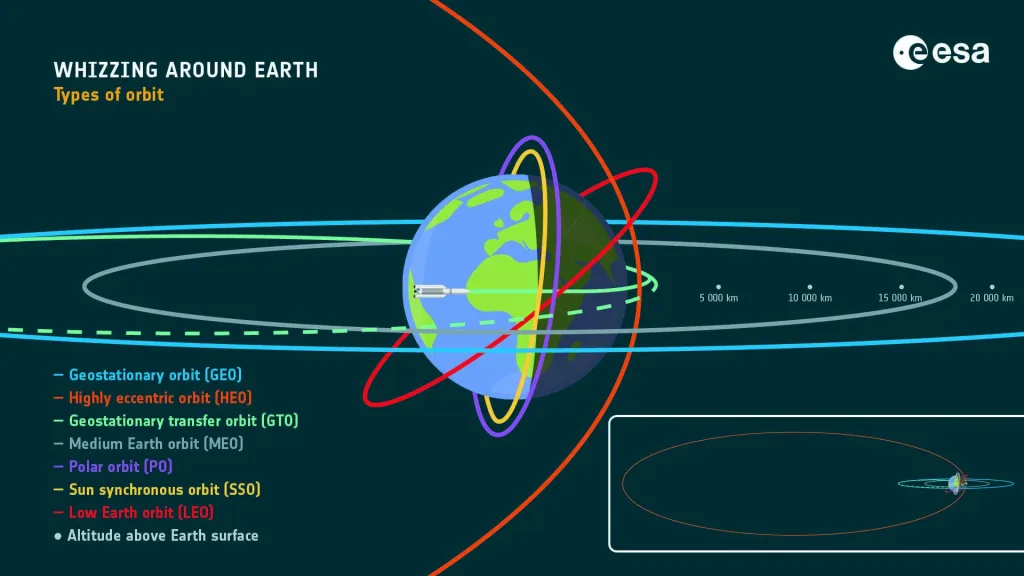
LEO vs HEO: The Critical Artemis III Orbit Decision
A central element of the Artemis III mission changes is the choice of orbit. NASA is evaluating two distinct options, each offering unique advantages.
Low Earth Orbit (LEO)
Low Earth orbit spans roughly 160 to 2,000 kilometers above Earth. It is the same region used by the International Space Station.
Operational Advantages
LEO simplifies mission design. It reduces propulsion requirements and allows NASA to conserve key hardware for future missions. This option also lowers overall complexity.
By avoiding additional propulsion stages, NASA can allocate resources more efficiently across the Artemis program.
Technical Limitations
However, LEO cannot fully replicate deep-space conditions. Thermal stress, radiation exposure, and operational dynamics differ significantly from those near the Moon.
High Earth Orbit (HEO)
High Earth orbit extends far beyond geosynchronous altitude. It places spacecraft in an environment that more closely resembles deep space.
Realistic Testing Conditions
HEO provides a stronger simulation of lunar mission conditions. It exposes spacecraft to more demanding thermal and environmental factors. This makes it ideal for validating systems such as heat shields and propulsion performance.
Added Complexity
This realism comes at a cost. Reaching HEO requires additional propulsion capability. That increases mission complexity and resource demands.
A Defining Trade-Off
The Artemis III mission changes hinge on this decision. LEO offers simplicity and efficiency. HEO offers realism and deeper validation.
NASA must balance these factors carefully. The chosen orbit will determine how effectively Artemis III prepares for a lunar landing.
Testing the Full System: Orion, Starship, and Blue Moon
A Multi-System Mission
The Artemis III mission changes introduce a highly integrated mission architecture. The Orion spacecraft will launch aboard the Space Launch System and enter Earth orbit.
Once there, the mission shifts to its most critical phase.
Docking and Integration
Orion will attempt to dock with one or both Human Landing Systems:
- SpaceX Starship
- Blue Moon lander
NASA aims to evaluate both systems. This dual-provider strategy increases flexibility and reduces dependence on a single platform.
Why Docking Is Critical
Docking operations require precision and coordination. Even minor deviations can impact mission success. Testing these procedures in Earth orbit allows engineers to gather real-world data and refine execution.
The Artemis III mission changes place this validation at the center of the mission.
The Role of Launch Cadence
Another key factor is launch frequency. NASA is closely monitoring how often these systems can operate. Higher launch cadence supports reusability and long-term mission planning.
This capability will influence not only Artemis III, but the entire future of lunar exploration.
How Artemis III Mission Changes Affect the Moon Timeline
Landing Deferred, Not Abandoned
The Artemis III mission changes delay the lunar landing to Artemis IV. This shift improves readiness without altering the long-term objective.
Rather than rushing forward, NASA is strengthening its position.
Higher Confidence, Lower Risk
Testing systems in advance reduces uncertainty. It allows engineers to identify and resolve issues before attempting a landing mission.
This increases the probability of success and protects both crew and hardware.
Building Toward a Permanent Presence
NASA’s ambitions extend beyond a single landing. The Artemis program aims to support sustained human activity on the Moon.
That includes long-duration missions, infrastructure development, and preparation for future exploration deeper into space.
The Artemis III mission changes directly support this long-term vision.
A New Space Strategy Behind Artemis III Mission Changes
From Linear Missions to Modular Systems
Apollo missions followed a direct path. Artemis adopts a modular and iterative approach. Each mission builds on the previous one.
This reflects the complexity of modern space exploration.
Commercial Partnerships at the Core
Private companies now play a central role. SpaceX and Blue Origin contribute critical technologies that enable mission flexibility and innovation.
This collaborative model accelerates development and expands capabilities.
Reusability and Scale
Reusable systems are essential for long-term exploration. NASA is focusing on reducing costs and increasing mission frequency.
The Artemis III mission changes align with this direction. Testing in orbit supports scalable operations beyond Earth.
Conclusion: Artemis III Mission Changes Redefine the Path Forward
The Artemis III mission changes represent a fundamental shift in how NASA approaches the Moon. This is not a delay driven by limitations. It is a strategic decision shaped by long-term goals.
By transforming Artemis III into a test mission, NASA is building confidence in every system involved. The agency is preparing not just for a landing, but for a sustained presence on the lunar surface.
As new spacecraft complete testing and launch activity increases, the path forward will become clearer. The decisions made now will shape the future of human exploration.
The real question is no longer when humans will return to the Moon. It is how prepared they will be when they do.
Sources:
Ars Technica:
https://arstechnica.com/space/2026/04/with-orion-still-flying-nasa-is-nearing-key-decisions-about-artemis-iii/
NASA Artemis Program Overview:
https://www.nasa.gov/artemis
SpaceX Starship Updates:
https://www.spacex.com/vehicles/starship/
Blue Origin Blue Moon Lander:
https://www.blueorigin.com/blue-moon