
BY:SpaceEyeNews.
Introduction: Artemis 3 and Beyond Explained
Artemis 3 and beyond define the next phase of human space exploration. After the success of Artemis 2, NASA has refined its roadmap with a clearer long-term vision. Instead of rushing toward a lunar landing, the agency is building a structured path forward. Each mission now supports sustainability, not just achievement. This shift signals a broader goal—establishing a lasting human presence on the Moon. Understanding Artemis 3 and beyond reveals how exploration is evolving from short missions into continuous activity.
Artemis 3 and Beyond: Why NASA Changed Its Strategy
A New Direction After Artemis 2
Artemis 3 and beyond begin with a critical adjustment. NASA originally planned Artemis 3 as a crewed lunar landing mission. That plan has now changed. The mission will remain in Earth orbit, focusing on preparation rather than immediate results.
This decision reflects a clear strategic shift. NASA is prioritizing system readiness. By refining the mission, the agency reduces risk and builds confidence for future operations.
Testing Before Landing
Instead of landing, Artemis 3 will validate how spacecraft operate together. The mission will focus on docking and coordination between multiple systems in space.
The Orion spacecraft will connect with advanced lunar landers developed by commercial partners. These systems represent a new era of collaboration in space exploration. Each component must function seamlessly for future missions to succeed.
Key Technologies Still Evolving
Some critical technologies remain in development. Advanced spacecraft must demonstrate long-duration operations and complex maneuvers. Others are still progressing through early stages.
Artemis 3 and beyond rely on these systems. Without thorough testing, later missions would face higher uncertainty. NASA’s approach ensures that each capability is proven before moving forward.
Building a Strong Foundation
This shift is not a setback. It is a deliberate step toward long-term success. Artemis 3 and beyond focus on building a reliable foundation for future missions.
Once these systems are validated, the next phase can proceed with greater precision and confidence.
Artemis 3 and Beyond: Artemis 4 and the Lunar Return
The Mission That Brings Humans Back
Artemis 3 and beyond lead directly to Artemis 4. This mission is expected to return astronauts to the Moon around 2028. It represents the true continuation of human exploration beyond Earth orbit.
Unlike earlier missions, Artemis 4 is designed with sustainability in mind. It moves beyond symbolic milestones toward long-term presence.
Why the Moon’s South Pole Matters
The mission targets the Moon’s south pole, a region of growing scientific interest. This area may contain water ice trapped in permanently shadowed regions.
Water is a critical resource. It supports life and can be converted into oxygen and fuel. This makes the south pole a key location for sustained exploration.
How the Mission Will Work
Artemis 4 depends on systems tested during Artemis 3. The Orion spacecraft will carry astronauts into lunar orbit. From there, a landing system will transport them to the surface.
This process requires precise coordination. Each system must operate reliably. Artemis 3 and beyond ensure these capabilities are fully tested before execution.
From Exploration to Presence
This mission marks a turning point. The focus shifts from short visits to sustained activity. NASA is no longer asking how to reach the Moon. The focus is now on how to remain there.
Artemis 3 and Beyond: Building a Lunar Base
A Long-Term Vision by 2032
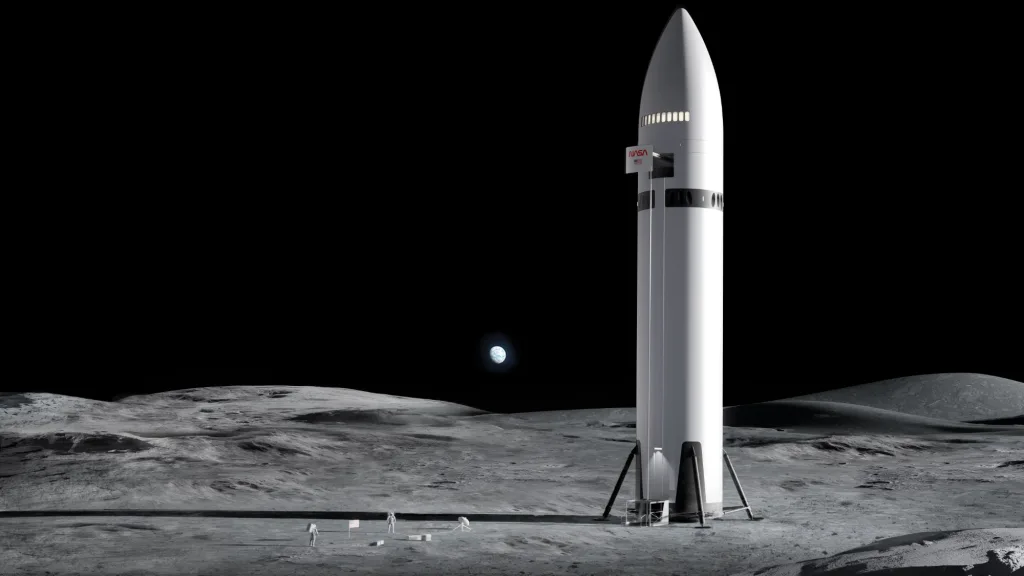
Artemis 3 and beyond extend far beyond a single landing. NASA plans to establish a continuous human presence on the Moon by 2032. This includes building a functional lunar base.
Astronauts will live and work on the surface for extended periods. Missions will become longer and more advanced over time.
Living and Working on the Moon
Future crews will test systems designed for daily operations. These include habitats, energy systems, and communication networks.
Each mission will expand capabilities. Artemis 3 and beyond emphasize steady progress and practical development.
Using Resources on the Moon
A key part of this strategy involves local resources. Water ice could reduce reliance on supplies from Earth.
This concept, known as in-situ resource utilization, supports long-term sustainability. Artemis 3 and beyond depend on this approach to enable extended missions.
Technology and Challenges Ahead
Challenges remain. Many systems are still under development. Timelines depend on successful testing and continued collaboration.
NASA is working closely with commercial partners to advance these technologies. Artemis 3 and beyond rely on this cooperation to maintain progress.
Preparing for Mars
The Moon serves as a testing ground for deeper exploration. Artemis 3 and beyond aim to prepare for future missions to Mars.
Every system tested on the Moon contributes to this goal. The lessons learned will shape the next stage of human exploration.
Conclusion: Artemis 3 and Beyond Shape the Future
Artemis 3 and beyond represent a new chapter in space exploration. Artemis 2 proved that humans can return to deep space. The next missions focus on building a system that supports long-term success.
NASA is taking a structured approach. By testing technologies first, the agency increases reliability and reduces risk. Artemis 4 is expected to return astronauts to the Moon, while future missions aim to establish a lasting presence.
Artemis 3 and beyond are not just about returning to the Moon. They define how humanity will explore space in the years ahead.
Sources
https://www.space.com/space-exploration/artemis/artemis-3-and-beyond-whats-next-for-nasa-after-artemis-2-moon-success
https://www.nasa.gov/artemis-program-overview