
BY:SpaceEyeNews.
The Blue Origin MK1 Moon lander has cleared one of its most important milestones yet. The spacecraft recently completed a major environmental test inside a massive NASA vacuum chamber. That success now moves the vehicle closer to future lunar missions tied to the Artemis program.
Although the mission may sound routine, this test carried major importance. Engineers pushed the spacecraft through Moon-like conditions that included extreme temperatures and near-total vacuum exposure. Those harsh simulations help determine whether the vehicle can survive the journey to the lunar surface.
The Blue Moon Mark 1 lander, also called Endurance, is not designed to carry astronauts. Instead, it serves as a cargo and technology demonstration spacecraft. NASA and Blue Origin plan to use it to validate systems needed for future Artemis lunar operations.
At the same time, the mission reflects a growing shift in space exploration. NASA now relies heavily on private companies to build lunar hardware faster and at lower cost. Blue Origin’s latest success shows how commercial spacecraft are becoming central to the next phase of Moon exploration.
Blue Origin MK1 Moon Lander Supports Artemis Goals
NASA’s Artemis campaign focuses on returning astronauts to the Moon and building a long-term presence near the lunar south pole. Cargo landers like MK1 play a major role in that strategy.
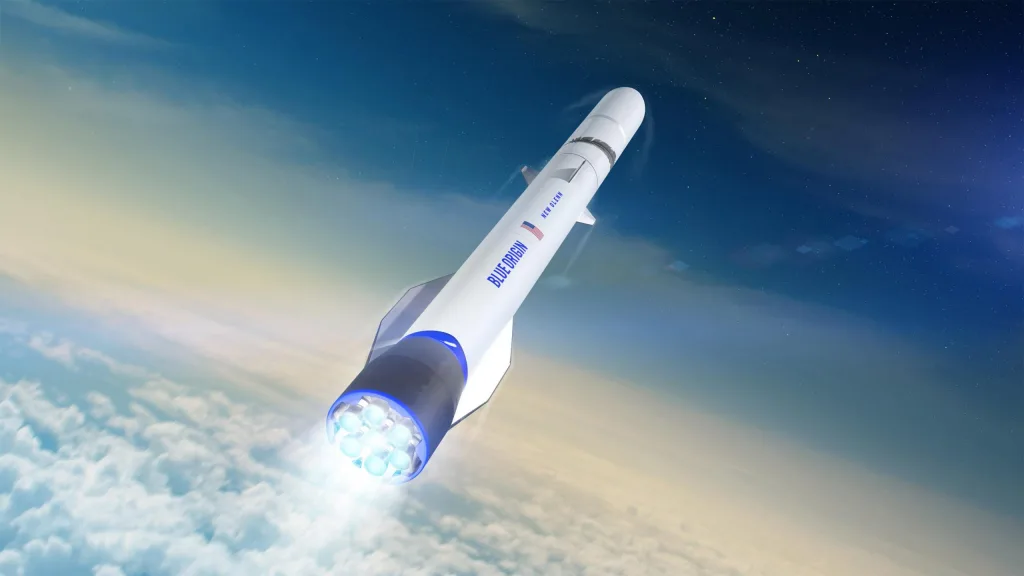
The Blue Origin MK1 Moon lander was designed as a single-launch cargo vehicle. According to Blue Origin, the spacecraft can deliver up to three metric tons of equipment to the lunar surface. The vehicle also uses the large payload fairing of the New Glenn rocket.
Why Cargo Landers Matter First
Before astronauts can live and work on the Moon, agencies must first transport infrastructure, tools, science payloads, and supplies safely to the surface.
That makes cargo systems essential.
NASA learned this lesson during earlier lunar programs. Reliable robotic systems reduce risk and help prepare landing zones before crewed missions begin.
The Blue Origin MK1 Moon lander therefore acts as an early foundation for future Artemis operations.
Commercial Partnerships Are Expanding
NASA developed the current lunar strategy around partnerships with private companies. Instead of designing every spacecraft internally, the agency now supports commercial providers through contracts and cooperative agreements.
Blue Origin used NASA facilities under a reimbursable Space Act Agreement. That arrangement gave the company access to testing infrastructure and technical expertise while keeping development largely commercial.
This approach also allows NASA to support multiple lunar systems at once. Companies such as Blue Origin and SpaceX are now competing to build future lunar transportation systems.
NASA Chamber A Put MK1 Through Harsh Lunar Conditions
The recent environmental test took place inside Chamber A at Johnson Space Center. The facility remains one of the world’s largest thermal vacuum chambers.
Engineers use Chamber A to recreate the hostile environment of space.
Inside the chamber, the spacecraft faced:
- Near-vacuum conditions
- Severe thermal changes
- Space-like pressure levels
- Long-duration environmental exposure
These tests help engineers identify weaknesses before launch.
Why Thermal Vacuum Tests Matter
Spacecraft face enormous environmental stress during lunar missions. Temperatures can swing dramatically between sunlight and shadow. Vacuum conditions also affect materials, electronics, seals, and fuel systems.
A spacecraft may perform perfectly on Earth yet fail in space because of thermal expansion or vacuum-related problems.
That is why thermal vacuum testing remains one of the most critical stages of spacecraft development.
The Blue Origin MK1 Moon lander successfully completed this phase, which suggests the spacecraft can tolerate the demanding lunar environment.
Simulating the Moon on Earth
NASA cannot fully recreate lunar gravity on Earth, but thermal vacuum facilities provide the next best option.
Inside Chamber A, engineers monitored:
- Structural integrity
- Thermal behavior
- System performance
- Hardware durability
- Internal spacecraft stability
The results now provide valuable data for future missions.
NASA also plans to apply lessons from MK1 testing to later Artemis hardware and lunar systems.
Blue Origin MK1 Moon Lander Carries Advanced Lunar Technology
The MK1 mission focuses heavily on technology demonstration. Several critical systems inside the spacecraft will help shape future lunar exploration.
Precision Landing Technology
Landing on the Moon remains extremely difficult.
The lunar south pole contains rough terrain, deep craters, steep slopes, and long shadowed regions. Traditional landing methods may not provide enough accuracy for future missions.
The Blue Origin MK1 Moon lander includes precision landing systems designed to improve targeting accuracy during descent.
That capability becomes especially important near the south pole, where future Artemis operations may concentrate.
Autonomous Navigation Systems
Communication delays between Earth and the Moon create additional challenges.
Because of that delay, spacecraft often need to make decisions independently during descent and landing.
MK1 therefore uses autonomous guidance, navigation, and control technologies.
These systems allow the lander to:
- Monitor position
- Adjust trajectory
- Correct landing paths
- Respond to environmental conditions
Autonomous systems will likely become standard for future lunar exploration vehicles.
Cryogenic Propulsion Remains a Major Challenge
One of the most important technologies aboard MK1 involves cryogenic propulsion.
Cryogenic fuel systems use extremely cold liquid propellants. These fuels offer strong performance for deep-space missions, but they are difficult to manage.
Temperatures must remain stable for long periods. Fuel boil-off also creates engineering complications.
NASA considers cryogenic technology essential for future Moon and Mars missions. Successful testing on MK1 could therefore support later exploration systems far beyond the lunar surface.
NASA Science Payloads Will Study the Lunar Surface
The Blue Origin MK1 Moon lander will also carry NASA payloads through the Commercial Lunar Payload Services initiative.
The mission targets the Moon’s south pole region, one of the most scientifically valuable areas on the lunar surface.
Cameras Will Study Lunar Dust Behavior
One NASA payload includes the Stereo Cameras for Lunar Plume-Surface Studies project.
This system will observe how rocket exhaust interacts with lunar soil during landing.
That research matters because lunar dust creates serious operational problems. The sharp particles can damage equipment, reduce visibility, and interfere with surface systems.
Future Artemis missions must understand how landing plumes affect the environment around lunar bases.
Laser Technology Will Improve Navigation
Another payload involves the Laser Retroreflective Array.
This technology reflects laser signals back toward orbiting spacecraft. Scientists can then measure positions more accurately.
Improved navigation systems will support:
- Lunar mapping
- Surface operations
- Orbital coordination
- Future exploration missions
As lunar traffic increases in the coming years, accurate positioning systems will become increasingly important.
The Lunar South Pole Is Becoming the Main Destination
Many modern lunar missions now focus on the Moon’s south pole.
Scientists believe the region contains frozen water trapped inside permanently shadowed craters. That ice could support future exploration efforts.
Water can provide:
- Drinking supplies
- Oxygen production
- Rocket fuel components
Because of those possibilities, the south pole has become a major strategic target for NASA and commercial partners.
The Blue Origin MK1 Moon lander helps advance those broader exploration goals.
MK1 Also Supports the Future Blue Moon MK2
Blue Origin ultimately plans to develop a larger crewed spacecraft called the Blue Moon Mark 2.
MK2 is expected to transport astronauts between lunar orbit and the Moon’s surface during future Artemis missions.
The current MK1 mission therefore acts as a risk-reduction platform.
Testing systems now allows engineers to improve:
- Landing reliability
- Navigation accuracy
- Propulsion systems
- Lunar surface operations
That experience could become critical once crewed lunar flights begin later in the Artemis program.
Blue Origin’s Lunar Test Marks a Bigger Shift in Space Exploration
The successful test of the Blue Origin MK1 Moon lander may appear technical on the surface. Yet the event reflects a much larger transformation in space exploration.
Private companies now play central roles in lunar development. NASA increasingly depends on commercial spacecraft to transport cargo, conduct science missions, and eventually support astronauts on the Moon.
MK1’s successful environmental testing also shows that Blue Origin continues making steady progress toward operational lunar systems.
The mission still faces important milestones ahead. Launch and landing remain major challenges. However, surviving one of NASA’s toughest environmental tests represents a major achievement.
As Artemis missions continue evolving, spacecraft like MK1 could help build the transportation network needed for long-term lunar exploration.
The next era of Moon exploration may not begin with astronauts alone. It may begin with robotic cargo landers proving they can survive the harsh reality of the lunar environment.
Main Sources:
Blue Origin:
https://www.blueorigin.com/
SciTechDaily Article:
https://scitechdaily.com/blue-origins-new-moon-lander-passes-a-crucial-test-for-nasa-missions/