
BY:SpaceEyeNews.
🌕 NASA Moon Nuclear Power: A New Phase Begins
The NASA Moon Nuclear Power plan marks a decisive shift in how humanity approaches the Moon. The focus is no longer on brief missions. It is now about building a permanent presence beyond Earth.
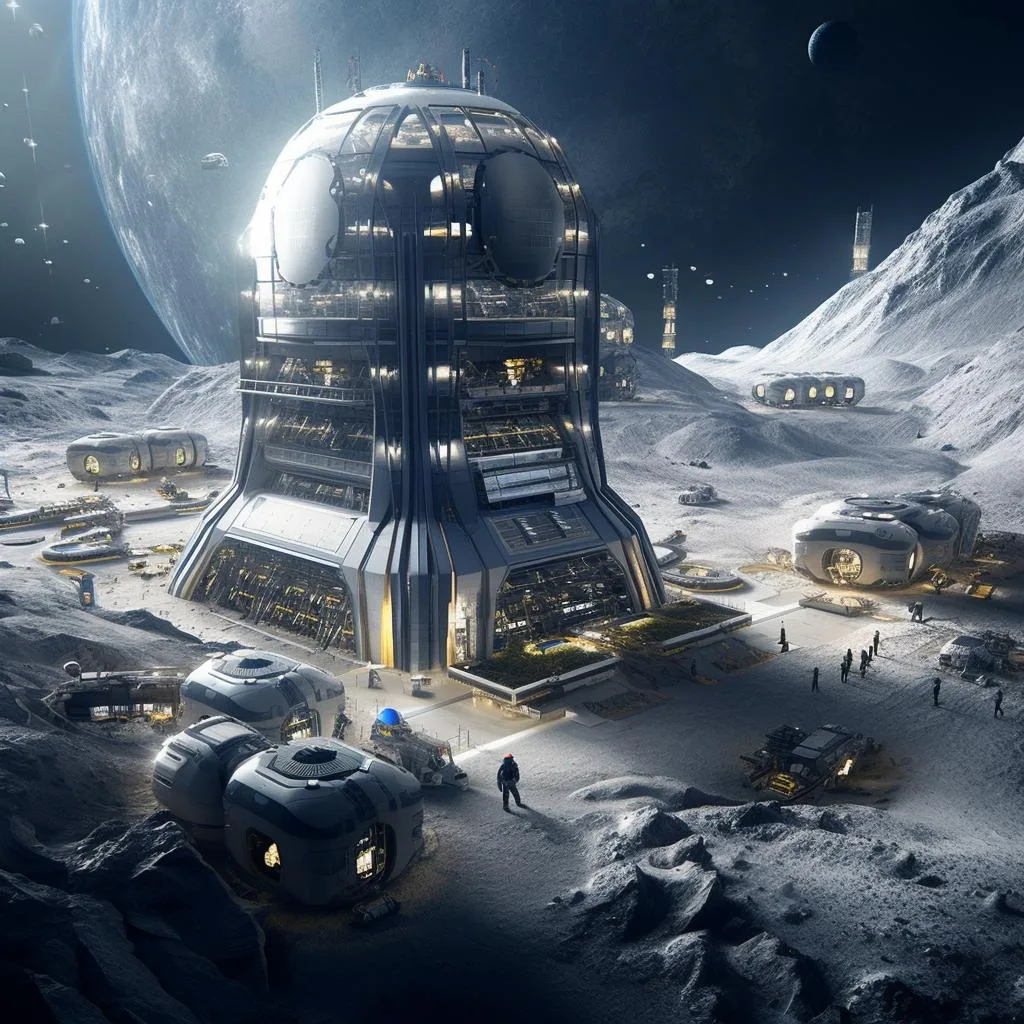
A White House roadmap released in April 2026 sets that direction clearly. It instructs NASA and partner agencies to develop nuclear power systems for use in lunar orbit and on the surface. The objective is straightforward: create reliable energy for a sustained lunar base.
This move reflects a broader strategy. The Moon is becoming a testing ground for deep-space operations. Without dependable power, that vision cannot advance. Nuclear energy now sits at the center of that plan.
⚡ NASA Moon Nuclear Power Challenge on the Lunar Surface
🌑 Extreme Lunar Day and Night Cycles
The NASA Moon Nuclear Power strategy begins with a simple constraint: the Moon’s environment.
A single lunar day lasts nearly 28 Earth days. It includes about 14 days of constant sunlight followed by 14 days of complete darkness. This cycle creates a severe energy challenge for any long-term operation.
🔋 Why Solar Power Alone Falls Short
Solar systems can generate power during the long lunar day. Yet they stop completely during the extended night. Energy storage alone cannot bridge a two-week gap in a reliable way.
Other options do not exist. The Moon has no atmosphere, no flowing water, and no fuel reserves. Each alternative reaches a limit quickly.
⚙️ Nuclear Power as the Only Scalable Solution
Nuclear reactors operate independently of sunlight. They produce steady energy through fission, regardless of external conditions.
For NASA, this is not a convenience. It is a requirement. Without nuclear power, a permanent lunar base cannot function with stability or safety.
🛰️ NASA Moon Nuclear Power Plan: Inside the 2026 Roadmap
🧭 A Coordinated National Strategy
The NASA Moon Nuclear Power plan relies on a coordinated effort across multiple agencies. The roadmap assigns clear roles to:
- NASA for development and deployment
- U.S. Department of Defense for operational support
- U.S. Department of Energy for nuclear expertise
This structure shows the scale of the initiative. It is not a single-agency project. It is a national-level effort aimed at long-term space capability.
🚀 Timeline and Key Milestones
The roadmap outlines a phased approach:
- 2028: A nuclear power system launched into lunar orbit
- Around 2030: Reactors deployed on the lunar surface
- Early 2030s: Expansion to higher-power systems
The initial system will deliver at least 20 kilowatts of electricity. That output supports early base operations. Future systems will scale to meet growing demands.
🏗️ Industry Participation and Innovation
The plan encourages private sector involvement through design competitions and partnerships. This approach accelerates development and spreads risk across multiple contributors.
Commercial innovation has already reshaped spaceflight. Now it is set to influence lunar energy systems as well.
🌍 NASA Moon Nuclear Power and the Artemis Strategy
🚀 Building a Permanent Lunar Presence
The NASA Moon Nuclear Power initiative connects directly to the Artemis Program. This program aims to establish continuous human activity on the Moon.
A permanent base demands constant power. Nuclear systems provide that foundation. They support life support, communication, and scientific operations without interruption.
🔬 Testing Technologies for Mars
The Moon offers a controlled environment for testing deep-space systems. Engineers can refine technologies under harsh conditions while remaining relatively close to Earth.
These tests are essential. Missions to Mars will require reliable systems that can operate for long durations. Nuclear power ensures that testing remains uninterrupted.
🌌 From Lunar Base to Deep Space
The long-term strategy positions the Moon as a gateway. It allows NASA to validate systems before deploying them farther into space.
This step-by-step approach reduces risk. It also builds the operational experience needed for more distant missions.
🔭 NASA Moon Nuclear Power and the Future of Space Infrastructure
🏗️ From Exploration to Infrastructure
The NASA Moon Nuclear Power plan signals a structural shift in space activity. Exploration is evolving into infrastructure development.
Permanent systems require continuous energy. Nuclear reactors provide that baseline capability.
🌐 Expanding the Space Economy
Reliable power enables more than science. It supports industrial activity, robotics, and advanced communication systems.
As infrastructure expands, new opportunities emerge. Companies can develop technologies tailored to lunar operations. This drives innovation across the space sector.
🧠 Sustained Human Presence Beyond Earth
With stable energy, astronauts can remain on the Moon for extended periods. They can conduct deeper research and develop new systems.
This marks a transition. Human presence in space is becoming continuous rather than temporary.
🎯 Conclusion: NASA Moon Nuclear Power Defines the Next Era
The NASA Moon Nuclear Power plan defines the next phase of lunar exploration. It transforms the Moon from a destination into a working environment.
With a target set for 2028, the timeline is both ambitious and structured. Nuclear power stands at the center of this effort.
It enables long-term habitation, sustained research, and preparation for future missions. Without it, the vision of a permanent lunar base remains out of reach.
The direction is now clear. The Moon is becoming a platform for the next chapter of human exploration.
🔗 Sources:
- https://www.scientificamerican.com/article/nasa-needs-nuclear-power-for-its-moon-base-heres-the-white-house-plan-to-get-it/
- https://www.nasa.gov
- https://www.energy.gov