BY:SpaceEyeNews.
Introduction: Progress 94 Glitch Raises Questions but Not Alarm
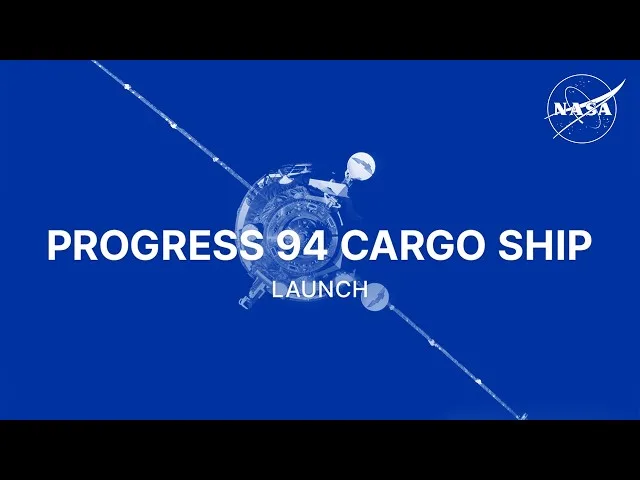
The Progress 94 glitch quickly turned a routine cargo mission into a closely watched event. Shortly after launch, the Russian cargo spacecraft experienced a technical issue that could affect its docking with the International Space Station (ISS).
Despite this problem, the mission continues as planned. Engineers confirmed that most systems are working normally. Backup procedures are already in place if needed.
This situation offers a clear look at how modern space missions handle unexpected issues. It also shows why redundancy and human control remain essential in orbital operations.
What Happened During the Progress 94 Glitch
Launch and Early Mission Phase
The mission began with a smooth launch from Baikonur Cosmodrome in Kazakhstan. A Soyuz rocket carried the Progress 94 spacecraft into orbit without any visible issues.
Shortly after separation, the spacecraft entered its planned trajectory toward the ISS. At this stage, all major systems appeared stable.
The Antenna Deployment Issue
The Progress 94 glitch appeared soon after orbital insertion. One of the spacecraft’s docking antennas failed to deploy.
This antenna plays a key role in the automated docking system. It helps guide the spacecraft during its final approach to the ISS. Without full antenna deployment, the automated system may not perform as intended.
Why This Matters for Docking
Docking with the ISS requires precise alignment. The spacecraft must match speed, position, and orientation with the station. Automated systems handle this process using sensors and communication signals.
The antenna issue removes one layer of automation. It does not stop the mission, but it introduces additional complexity. Engineers must now rely on alternative methods if the antenna remains undeployed.
Backup Systems Behind the Progress 94 Glitch Response
Redundancy in Spacecraft Design
The response to the Progress 94 glitch shows how spacecraft are designed with multiple safety layers. Engineers do not depend on a single system for critical operations.
Instead, missions include backup solutions that can take over if needed. This approach ensures that a single hardware issue does not end the mission.
Manual Docking via TORU System
If the antenna cannot deploy, the mission will switch to a manual docking method. This system is known as TORU.
A cosmonaut aboard the ISS can guide the spacecraft remotely. The operator uses camera feeds and telemetry data to control the spacecraft’s movement. This method allows precise adjustments during the final approach.
Human Control as a Critical Layer
The Progress 94 glitch highlights the importance of human involvement. Automated systems offer speed and efficiency, but human operators provide flexibility.
A trained cosmonaut can adapt to changing conditions in real time. This ability becomes essential when hardware limitations affect automated processes.
Manual docking requires focus and coordination. However, it has been successfully used in previous missions, proving its reliability.
Why the Progress 94 Mission Still Matters
Essential Supplies for the ISS
The spacecraft carries about three tons of cargo. These supplies include food, fuel, and equipment needed for daily operations on the ISS.
Each cargo mission supports the station’s long-term functionality. Without regular deliveries, onboard systems and research activities would face limitations.
Docking and Operational Timeline
Progress 94 is scheduled to dock with the Poisk module. It will replace a previous cargo spacecraft that recently departed.
The spacecraft will remain attached to the ISS for several months. During this time, it will support station operations and provide additional storage space.
End-of-Mission Role
After completing its mission, Progress 94 will be filled with waste materials. It will then leave the station and re-enter Earth’s atmosphere.
This process allows safe disposal of unused materials. It also frees docking ports for future missions.
A System Built for Adaptation
How the Progress 94 Glitch Fits Into a Larger System
The Progress 94 glitch is not an isolated event. It fits into a broader system designed for resilience. Space missions operate in a complex environment where unexpected issues can occur.
By planning for these scenarios, engineers ensure that missions can continue even when conditions change.
International Coordination on the ISS
The ISS depends on contributions from multiple partners. Russian Progress spacecraft work alongside vehicles from other agencies and companies.
Each system plays a role in maintaining the station. This cooperation ensures that operations remain stable even if one element faces challenges.
Reliability Through Redundancy
The key lesson from the Progress 94 glitch is clear. Reliability in space does not come from avoiding every issue. It comes from preparing for them.
Backup systems, human expertise, and careful planning allow missions to adapt. This approach keeps operations running smoothly despite unexpected events.
Conclusion: Progress 94 Glitch Shows Strength of Modern Space Missions
The Progress 94 glitch may have introduced uncertainty, but it did not stop the mission. Instead, it demonstrated how modern spacecraft handle real-time challenges.
With most systems operating normally and backup options available, the mission remains on track. This reflects a broader principle in space exploration—success depends on adaptability as much as precision.
As space missions become more frequent and complex, this balance will remain essential. The ability to respond effectively to small issues will continue to define the future of orbital operations.
Sources
- https://www.space.com/space-exploration/launches-spacecraft/russia-progress-94-cargo-launch-iss-soyuz-rocket
- https://www.nasa.gov
- https://www.roscosmos.ru