
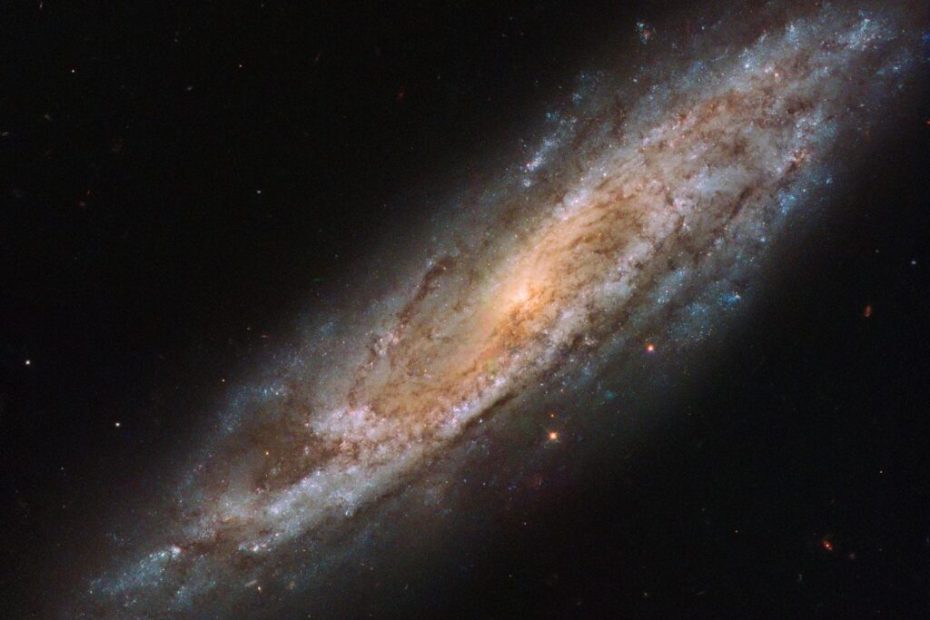
Bright Early Galaxies: Hydrogen Light May Solve Webb’s Puzzle
BY:SpaceEyeNews. Bright early galaxies may owe part of their surprising appearance to radiation that cleared away surrounding gas and dust. New calculations suggest that hydrogen…
BY:SpaceEyeNews. Bright early galaxies may owe part of their surprising appearance to radiation that cleared away surrounding gas and dust. New calculations suggest that hydrogen…
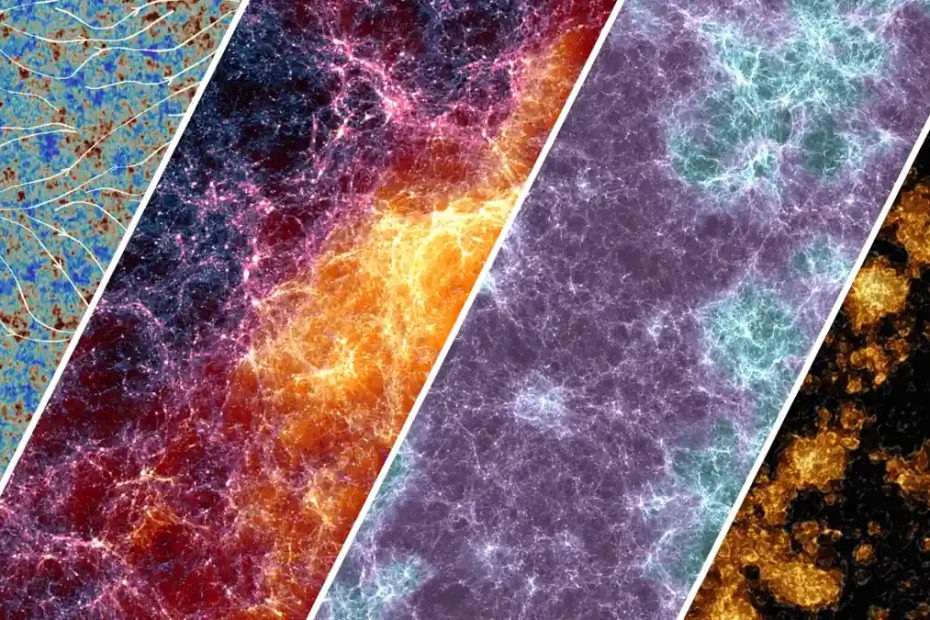
BY:SpaceEyeNews. The Lumina simulation follows how early galaxies and their radiation transformed the young universe. Its enormous digital landscape connects developing galaxies with changes unfolding…
BY:SpaceEyeNews. A dark galaxy candidate has given astronomers an intriguing puzzle: a compact hydrogen cloud with no detectable stars. China’s FAST radio telescope found the…
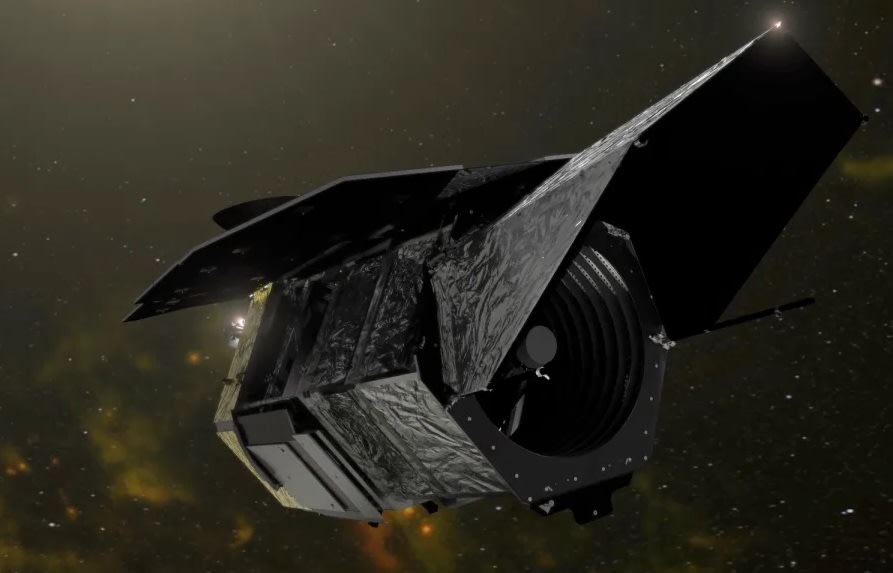
BY:SpaceEyeNews. The Roman eXtreme Deep Field could help answer a question that keeps growing more intriguing: how did the universe build its first galaxies? NASA…
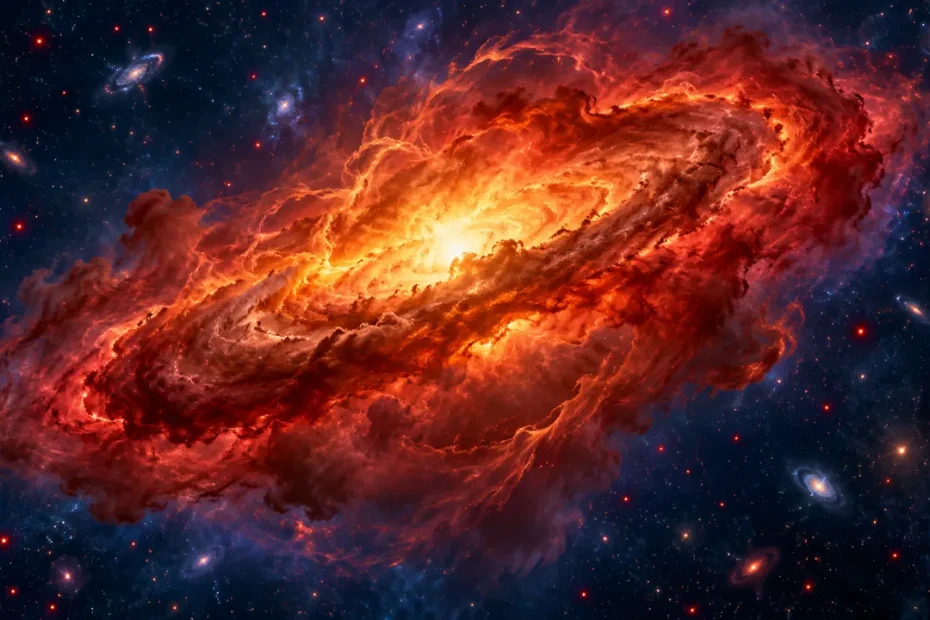
Little Red Dots may reveal how the Universe built its first massive black holes. A new simulation suggests these compact sources contain rapidly growing black…

BY:SpaceEyeNews. The Cloud-9 dark galaxy candidate contains enough hydrogen to equal roughly one million Suns, yet astronomers still find no associated starlight. New observations have…
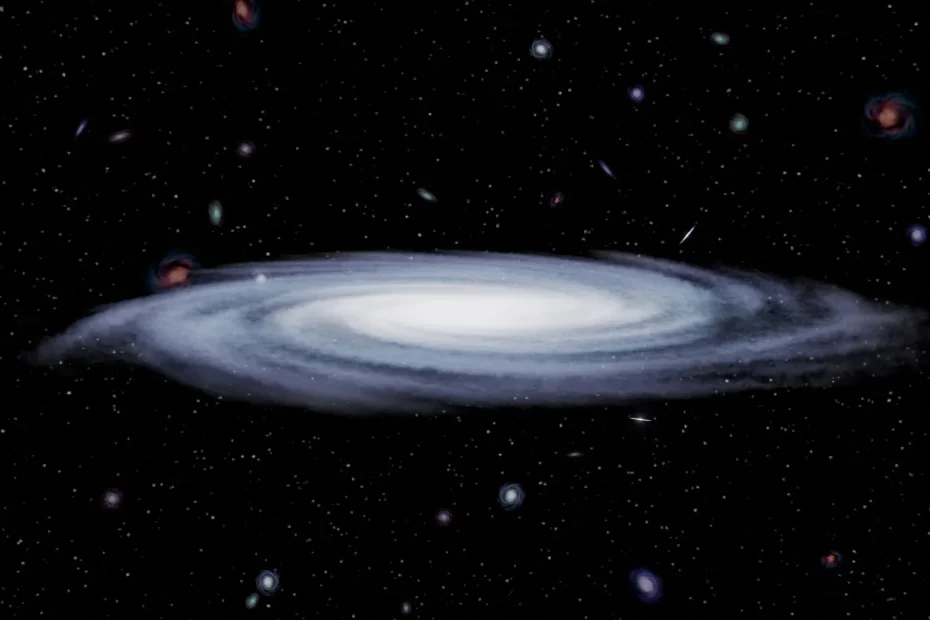
BY:SpaceEyeNews. Oxygen in an early galaxy reveals how quickly the young universe began developing chemical complexity. Astronomers detected the element in JADES-GS-z14-0, a galaxy we…

BY:SpaceEyeNews. The James Webb Space Telescope may have found a missing stage in Little Red Dot formation. A compact galaxy called Pseudo-LRD-NOM contains an active…

BY:SpaceEyeNews. Webb early galaxies are creating one of the biggest puzzles in modern astronomy. Some appear bright, massive, chemically developed, or strangely mature. Yet we…

BY:SpaceEyeNews. Big Wheel galaxy changes the early-universe story The Big Wheel galaxy is forcing astronomers to look again at how quickly the early universe could…