

Cygnus X-3 Particle Accelerator Reaches 30 PeV-Video
China’s Large High Altitude Air Shower Observatory has identified Cygnus X-3 as an extreme natural accelerator. The Cygnus X-3 particle accelerator may push cosmic-ray particles…
Articles by the SpaceEyeNews editorial team, edited by Medo Atta, Co-founder & Managing Editor. Read our Editorial Policy: https://spaceeyenews.com/editorial-policy/
China’s Large High Altitude Air Shower Observatory has identified Cygnus X-3 as an extreme natural accelerator. The Cygnus X-3 particle accelerator may push cosmic-ray particles…

Apollo astronauts collected Moon rocks to help scientists understand lunar history. More than half a century later, those samples may reveal something unexpected about our…

The August 2026 solar eclipse will briefly turn daylight into darkness across parts of the Arctic and Europe. On August 12, the Moon’s shadow will…

Isolated black holes may represent the overwhelming majority of stellar-mass black holes in the Milky Way. Yet astronomers have detected only a tiny number of…
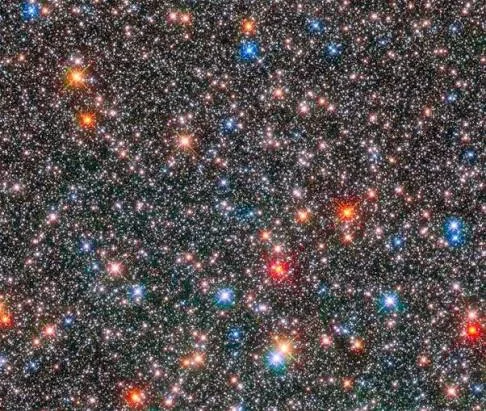
BY:SpaceEyeNerws. The Rubin Observatory COSMOS image has opened a remarkably wide and deep window into one of astronomy’s best-studied regions. Created with the observatory’s 3,200-megapixel…
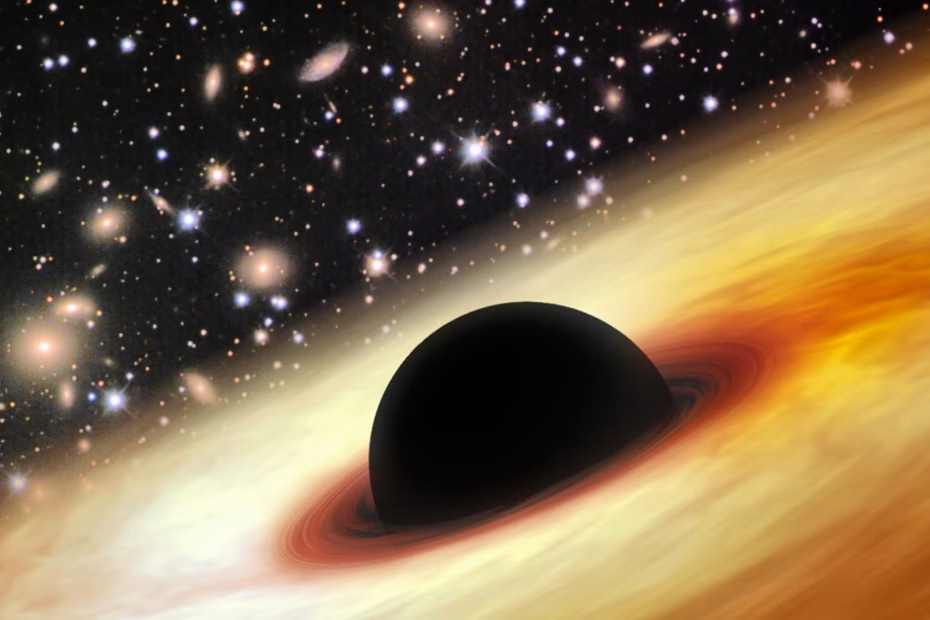
ESA’s Euclid space telescope has uncovered a population of quasars from the earliest chapters of cosmic history. The Euclid quasar discovery includes 31 previously unknown…
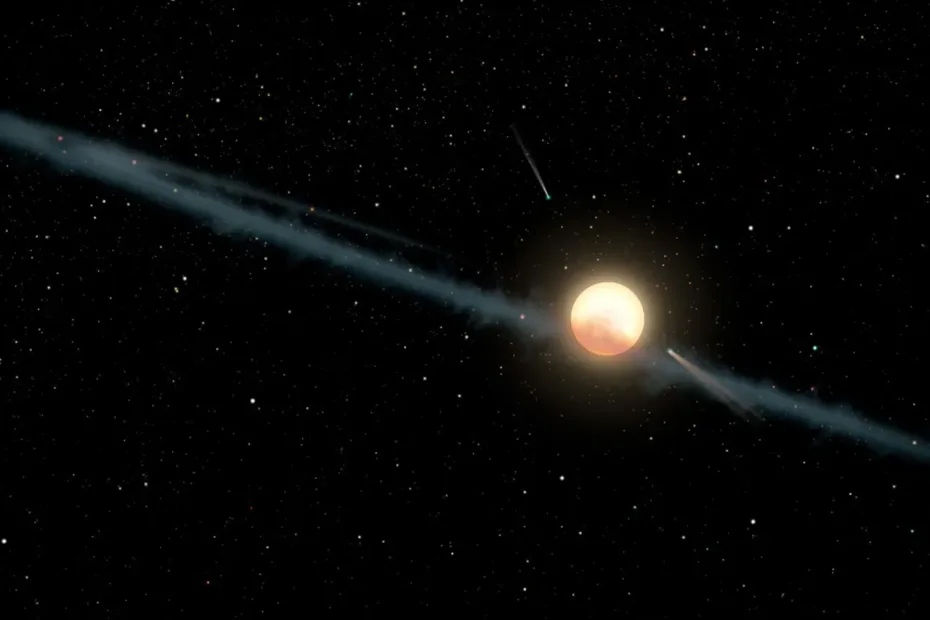
A newly identified signal may have brought astronomers closer to understanding one of the sky’s longest-running puzzles. Researchers examining NASA TESS observations found a symmetrical…
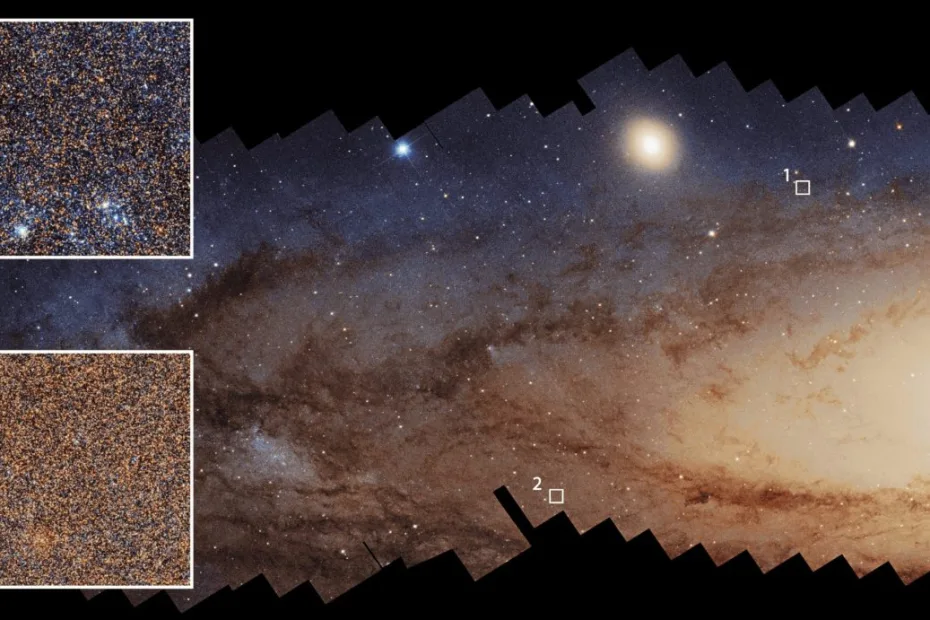
Astronomers have produced the deepest images yet of IC 1101, the largest known galaxy, and finally identified a measurable boundary around its main stellar body.…
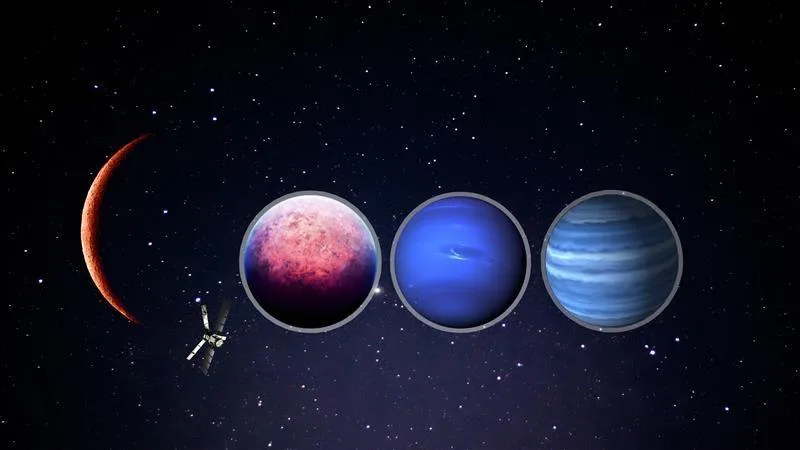
More than 6,000 exoplanets have now been confirmed beyond our Solar System. Yet the most important discoveries are no longer simply increasing that total. Astronomers…
A dark matter hidden force should seemingly help the Universe build galaxies and clusters faster. Stronger attraction would pull dark matter particles together more efficiently.…