
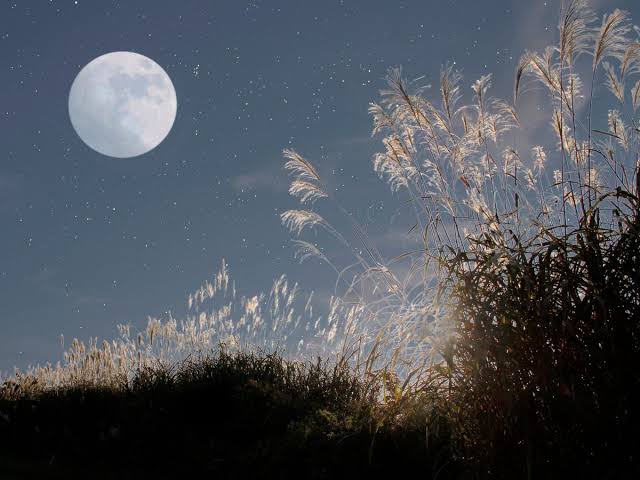
September 2026 Night Sky: Best Events to Watch
BY:SpaceEyeNews. The September 2026 night sky will deliver a closely packed sequence of sights that almost anyone can enjoy. Between September 14 and 26, the…
Space News publish all news related latest updates on space exploration, astronomy, covers everything from celestial phenomena and astronomical events to cutting-edge space technology and groundbreaking discoveries.in addition we have SpaceEyeNews YouTube channel .
BY:SpaceEyeNews. The September 2026 night sky will deliver a closely packed sequence of sights that almost anyone can enjoy. Between September 14 and 26, the…
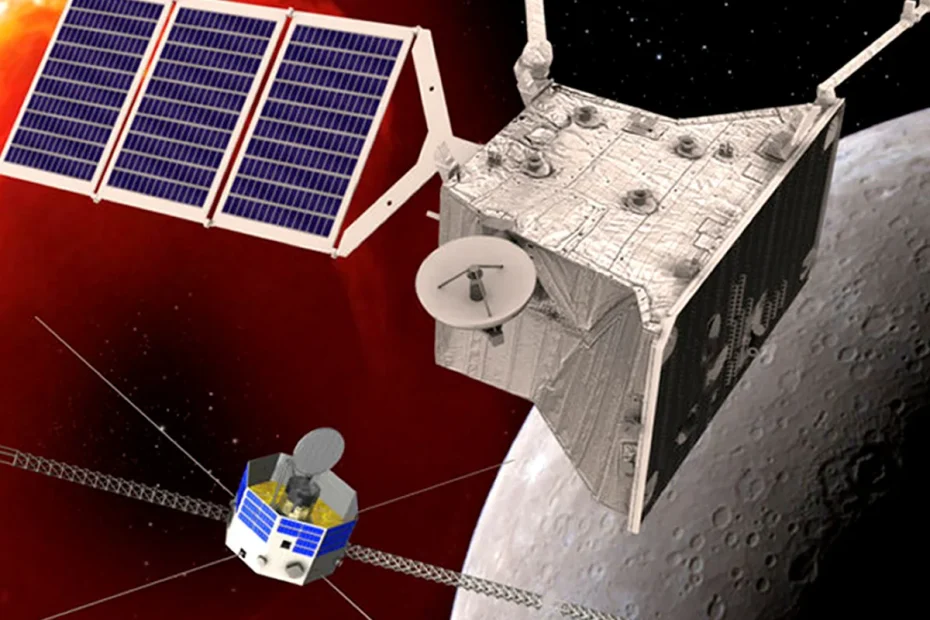
BY:SpaceEyeNews. After almost eight years in interplanetary space, BepiColombo has entered the final phase of its journey to Mercury. Yet arrival does not mean the…
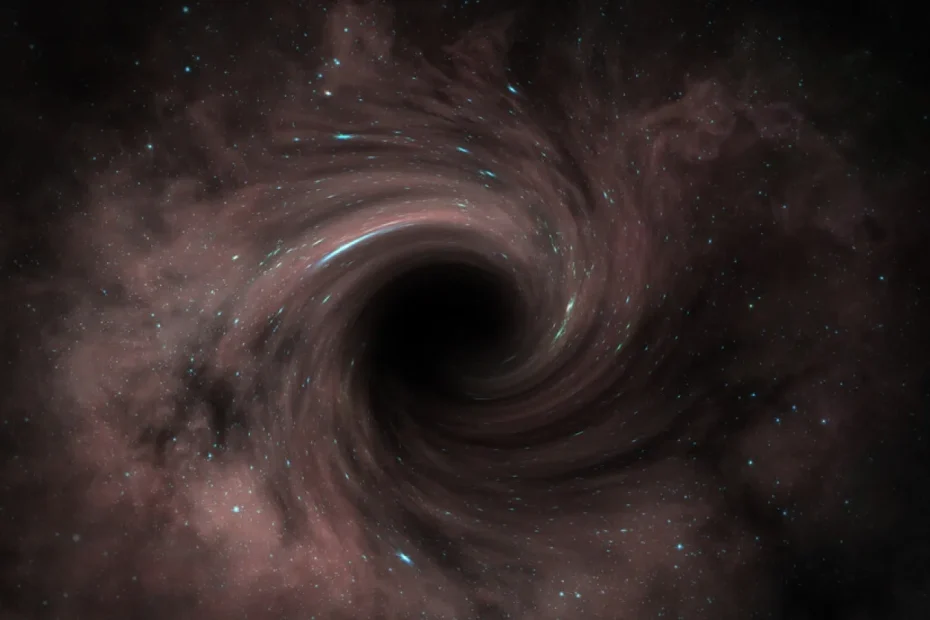
BY:SpaceEyeNews. Earth may be surrounded by faint signals from one of physics’ greatest mysteries. Researchers transformed the planet’s magnetic environment into a vast instrument for…
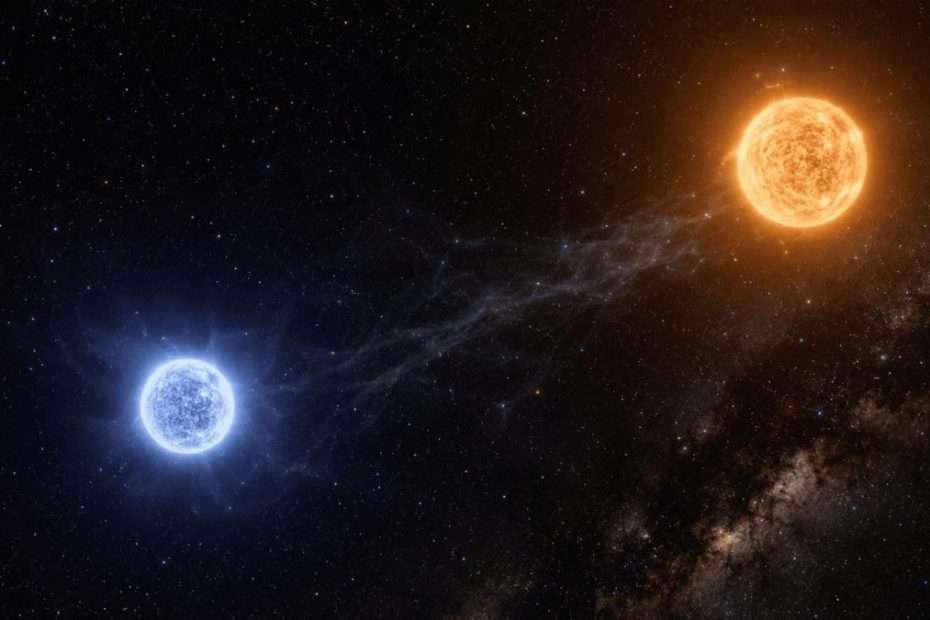
BY:SpaceEyeNews. The Sun’s influence on Earth’s climate may extend far beyond changes in brightness or solar activity. New research suggests that our star’s journey through…
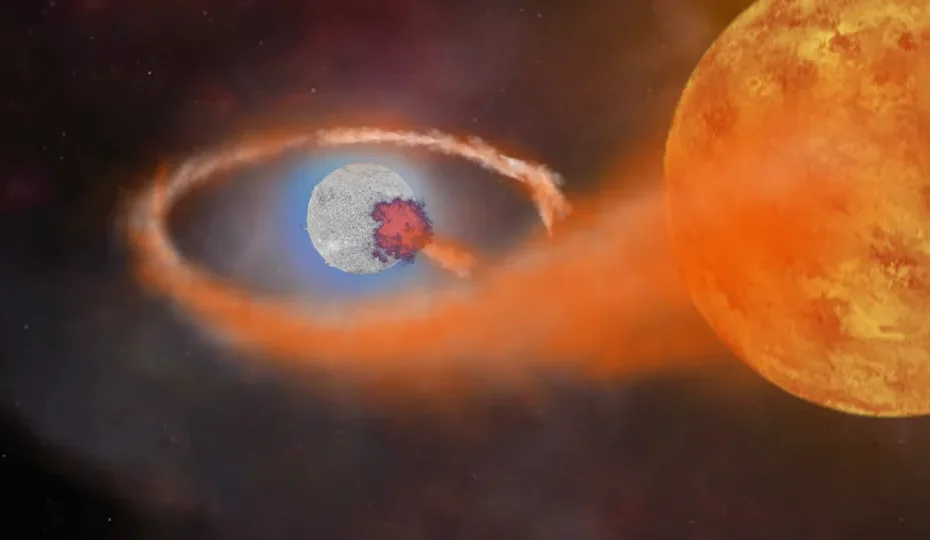
BY:SpaceEyeNews. The calcium in your bones and the iron in your blood carry traces of an ancient cosmic history. Scientists already know that stars created…
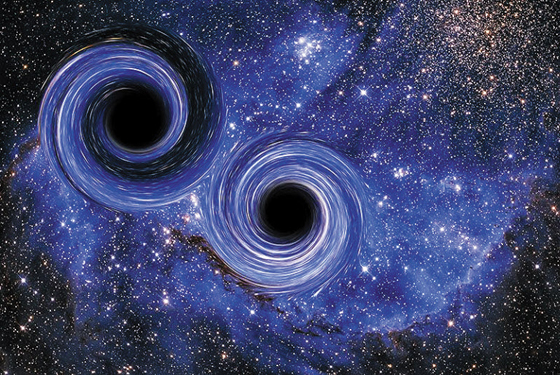
BY:SpaceEyeNews. Two black holes merge, but the gravitational-wave signal does not end at that moment. The new remnant continues to vibrate while settling into a…
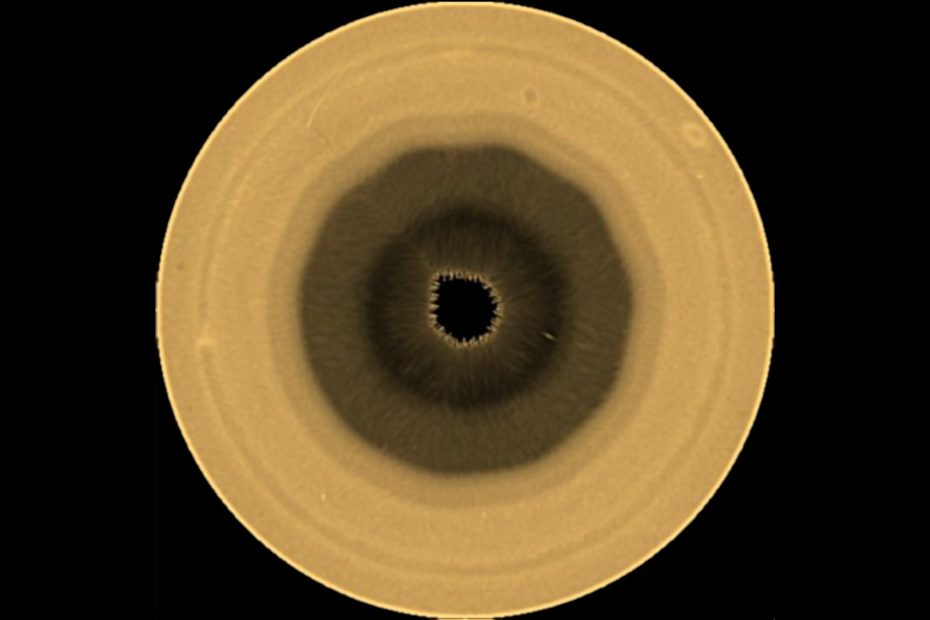
BY:SpaceEyeNews. Saturn’s decagon has added a new puzzle to the planet’s atmosphere: a giant, evolving wave surrounding its south pole. Hubble observations reveal ten sides,…
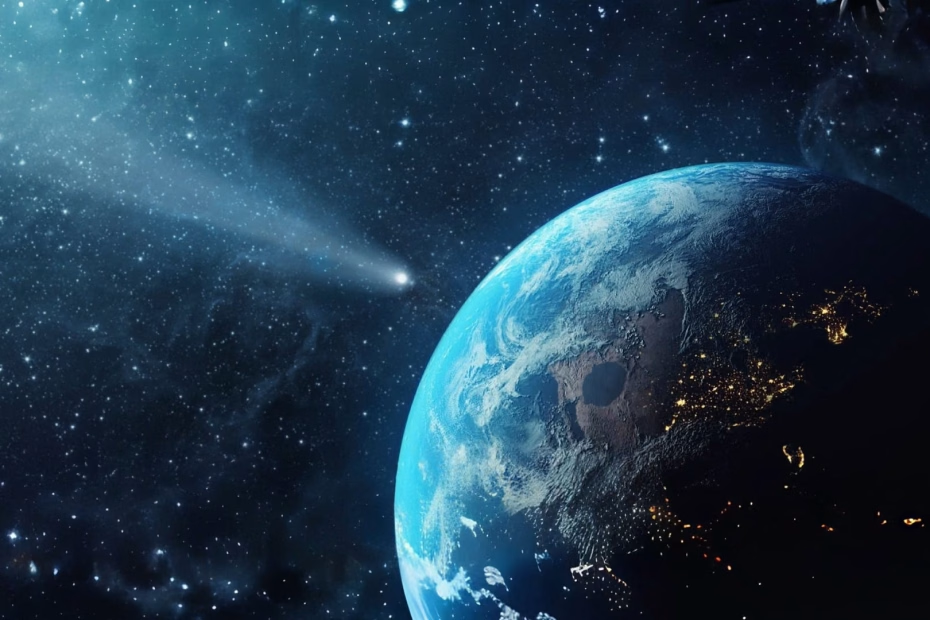
BY:SpaceEyeNews. PDS 70 comets may help explain how water reaches places where rocky planets could form. Astronomers have found changing sodium signals near this young…
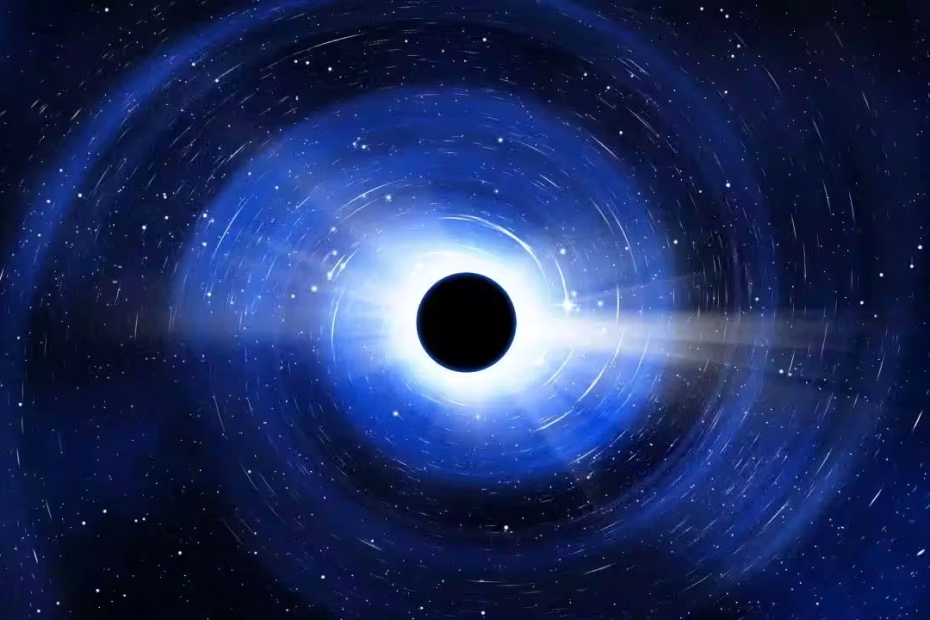
BY:SpaceEyeNews. A single unusual interaction has given researchers a compelling reason to examine their data more closely. The LUX-ZEPLIN dark matter signal could offer a…
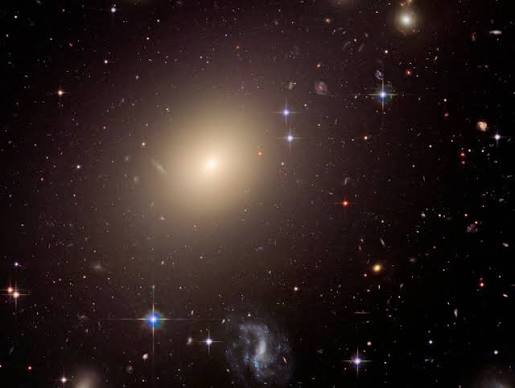
BY:SpaceEyeNews. The IC 1101 galaxy stretches across roughly 1.7 million light-years, yet its outer regions suggest that its growth continues. Astronomers have identified a boundary…