
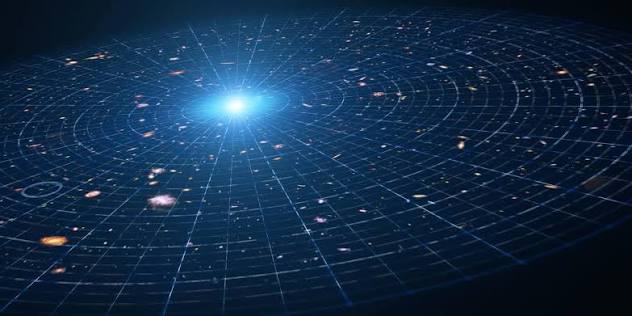
Observable Universe Size: The 93-Billion-Light-Year Puzzle
BY:SpaceEyeNews. (Photograph: NASA) The universe is about 13.8 billion years old. Yet the region we can observe spans roughly 92–93 billion light-years. Those numbers may seem…
BY:SpaceEyeNews. (Photograph: NASA) The universe is about 13.8 billion years old. Yet the region we can observe spans roughly 92–93 billion light-years. Those numbers may seem…
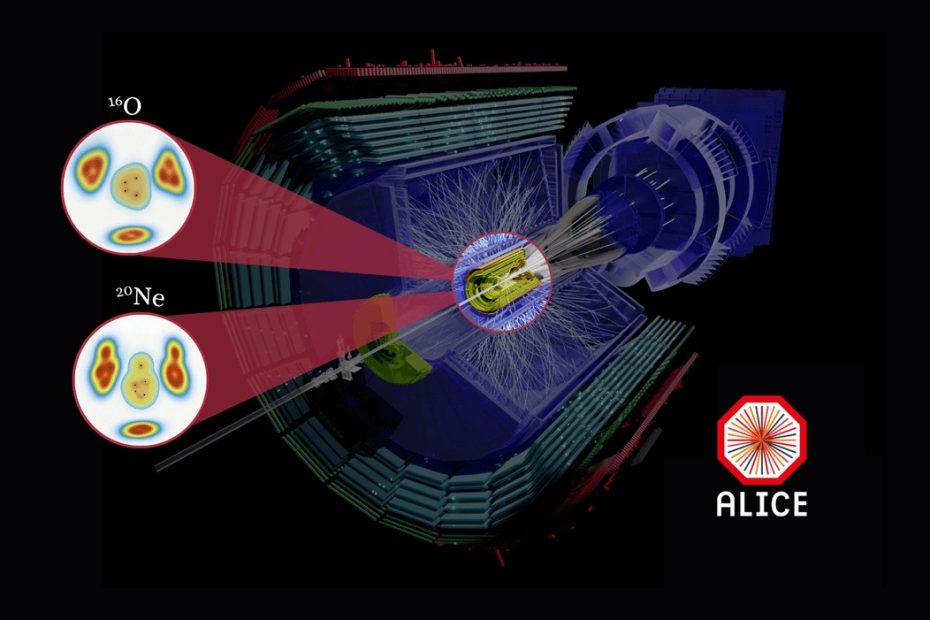
BY:SpaceEyeNews. CERN primordial plasma research has pushed one of particle physics’ most important boundaries. Scientists found strong evidence that oxygen-16 and neon-20 collisions can create…
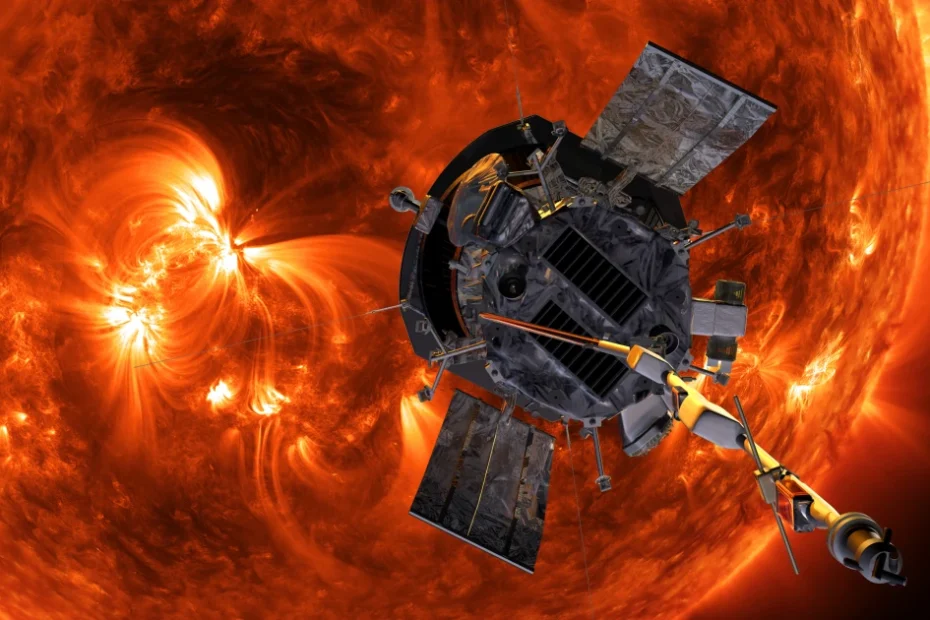
BY:SpaceEyeNews. A hidden solar storm crossed the inner Solar System in December 2024 while its Earth-directed path escaped normal forecasting. From our planet, the main…
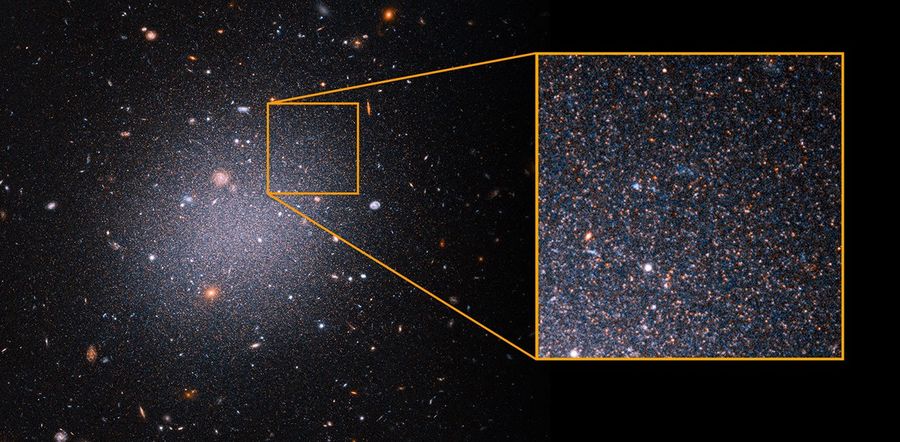
BY:SpaceEyeNews. Hubble Space Telescope image showing the globular cluster stellar stream. Credit: Hubble Space Telescope and Holm et al. (2026), A Faint Star Stream Opens…
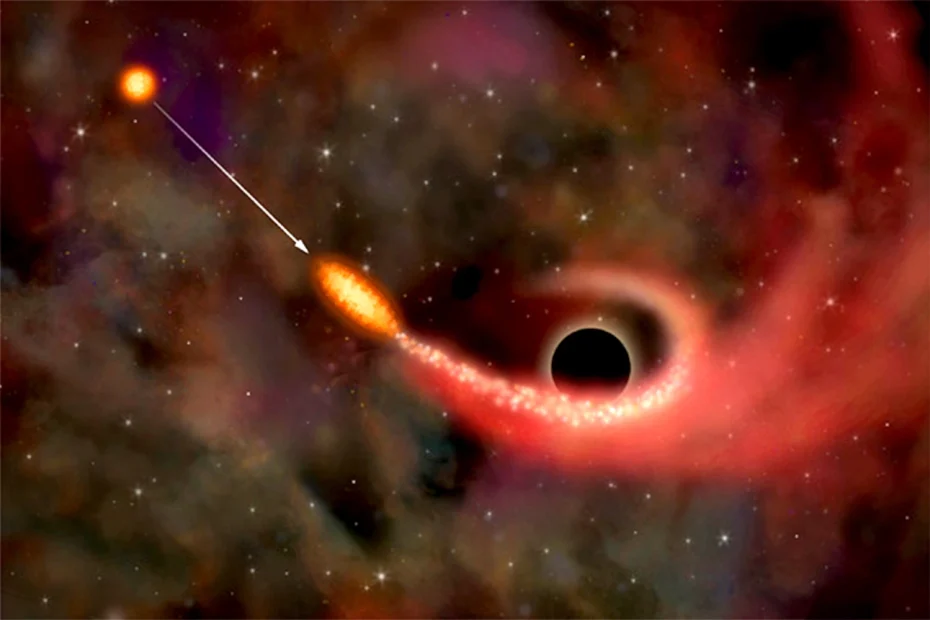
BY:SpaceEyeNews. Some stars return to the same supermassive black hole again and again. During every close pass, the black hole removes part of the star’s…
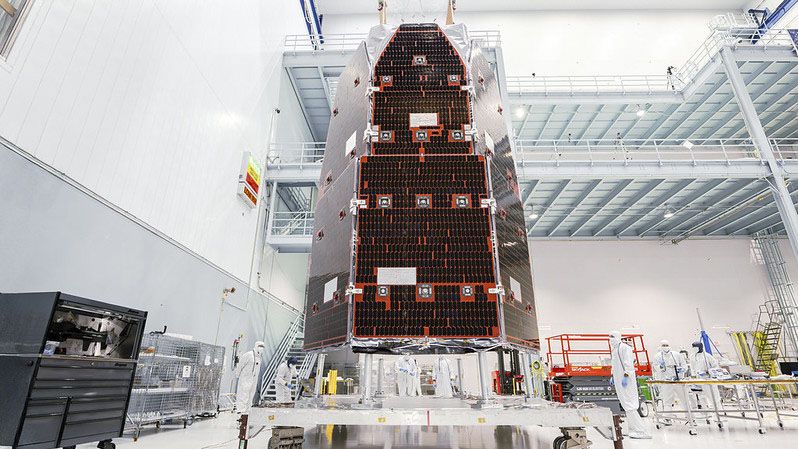
BY:SpaceEyeNews. NASA’s Roman Space Telescope could reshape exoplanet research on an extraordinary scale. The observatory may reveal around 100,000 worlds during its five-year primary mission.…
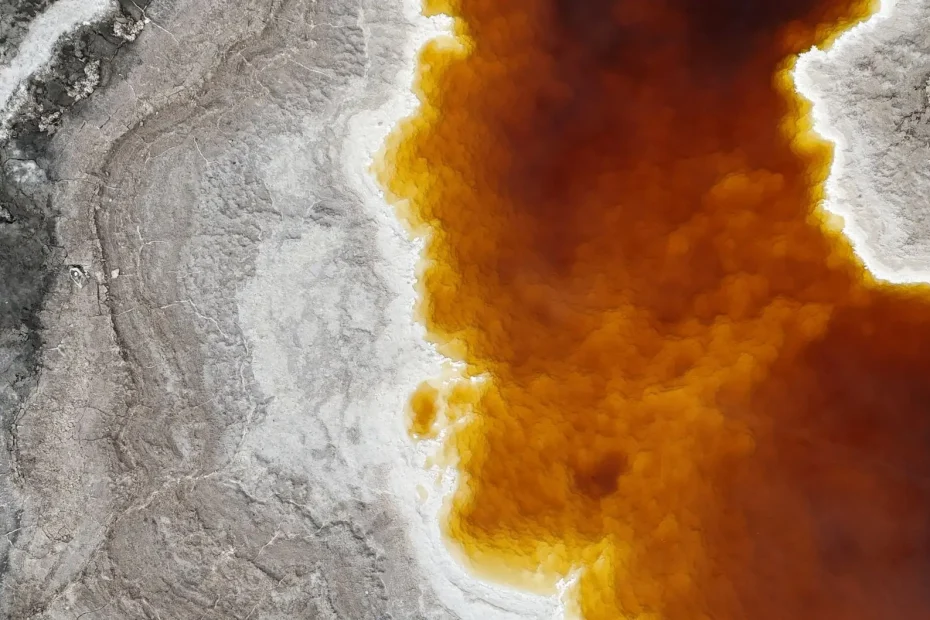
BY:SpaceEyeNews. Rain falls across Titan, but it does not behave like rain on Earth. At nearly minus 180 degrees Celsius, liquid methane drops from a…
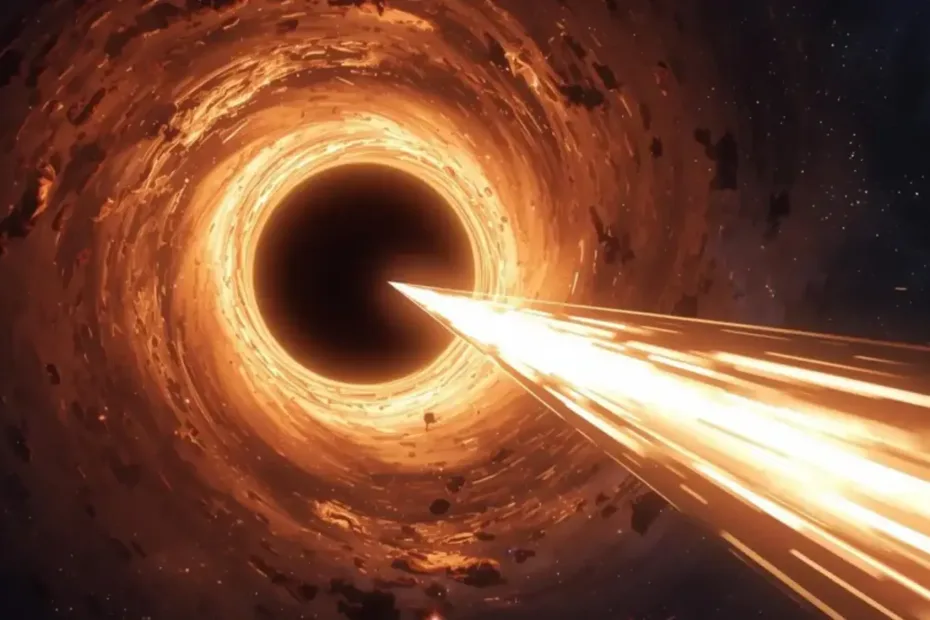
BY:SpaceEyeNews. Astronomers have identified 12 dying radio galaxies that offer a rare view of what follows when enormous black hole jets shut down. Their central…
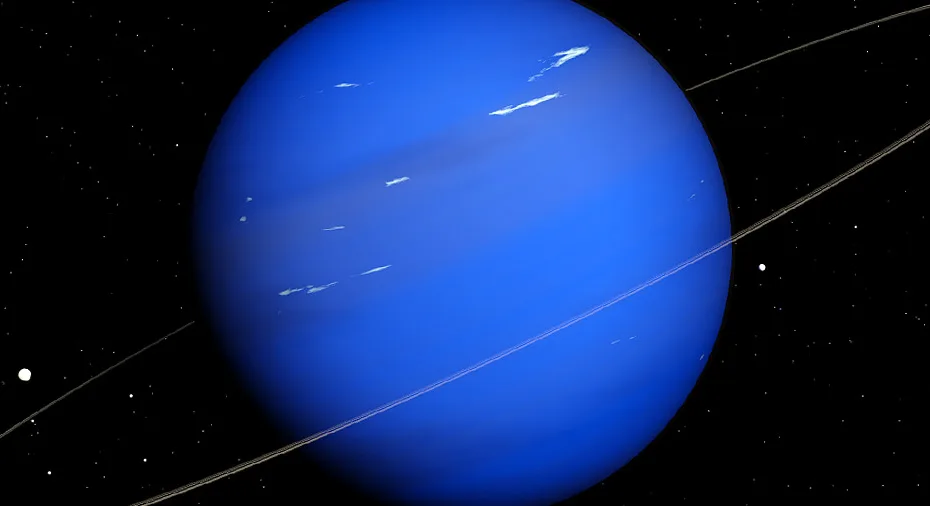
BY:SpaceEyeNews. Neptune’s rings once looked like scattered arcs rather than a complete system. That puzzle survived until Voyager 2 reached the distant planet in 1989.…
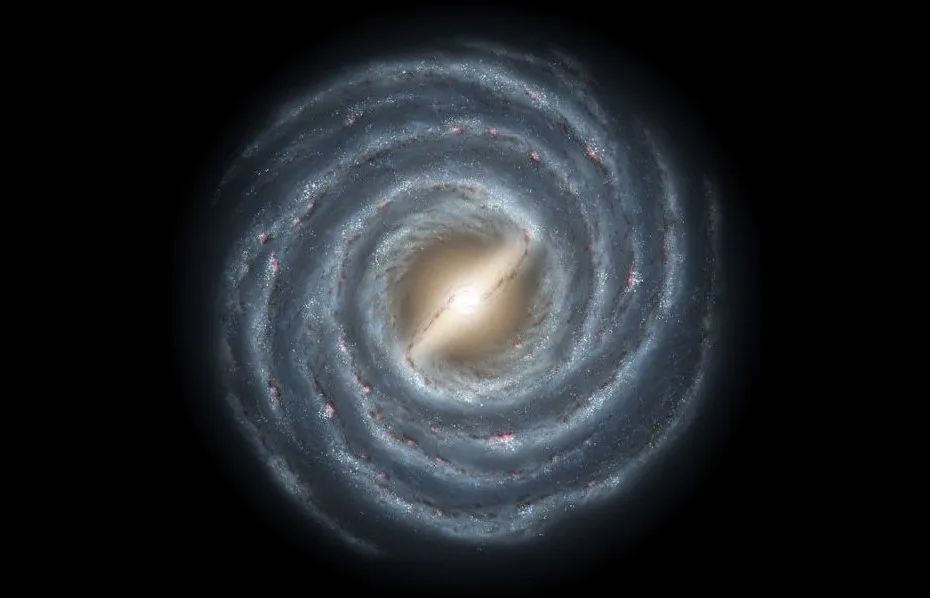
BY:SpaceEyeNews. Dark matter outweighs ordinary matter throughout the universe, yet its identity remains unknown. One intriguing candidate has now returned to the scientific spotlight. New…