
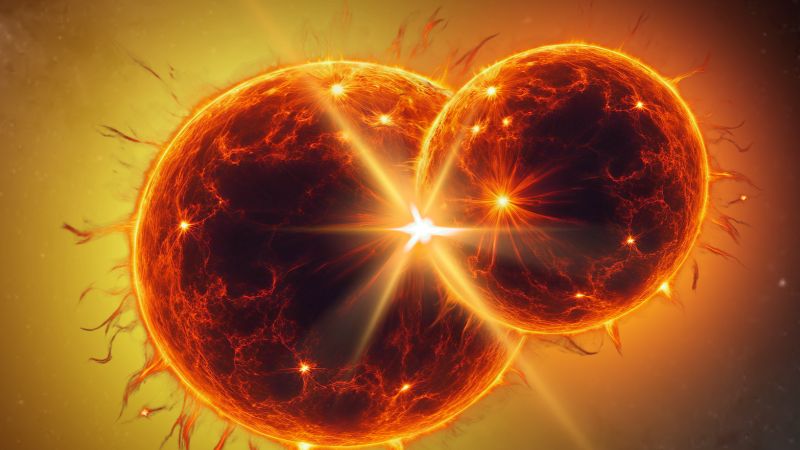
Failed Supernovae May Explain Why So Many Black Holes Weigh 10 Suns
BY:SpaceEyeNews. Why does a black hole weighing ten Suns turn up so often in merging pairs, while one weighing fourteen is surprisingly rare? Failed supernovae…
BY:SpaceEyeNews. Why does a black hole weighing ten Suns turn up so often in merging pairs, while one weighing fourteen is surprisingly rare? Failed supernovae…
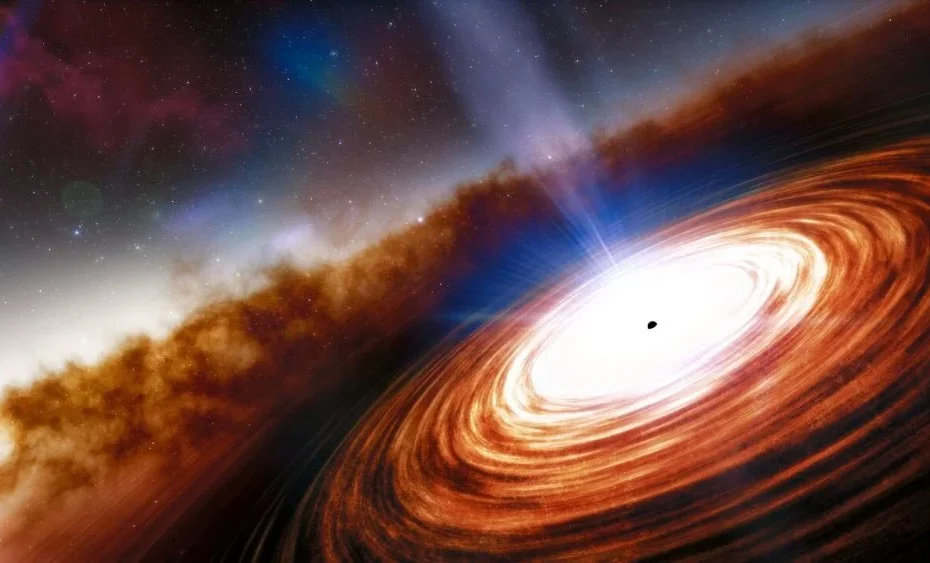
BY:SpaceEyeNews. Early black hole pairs could hold clues to one of astronomy’s biggest puzzles: how cosmic giants grew so quickly. Some supermassive black holes already…
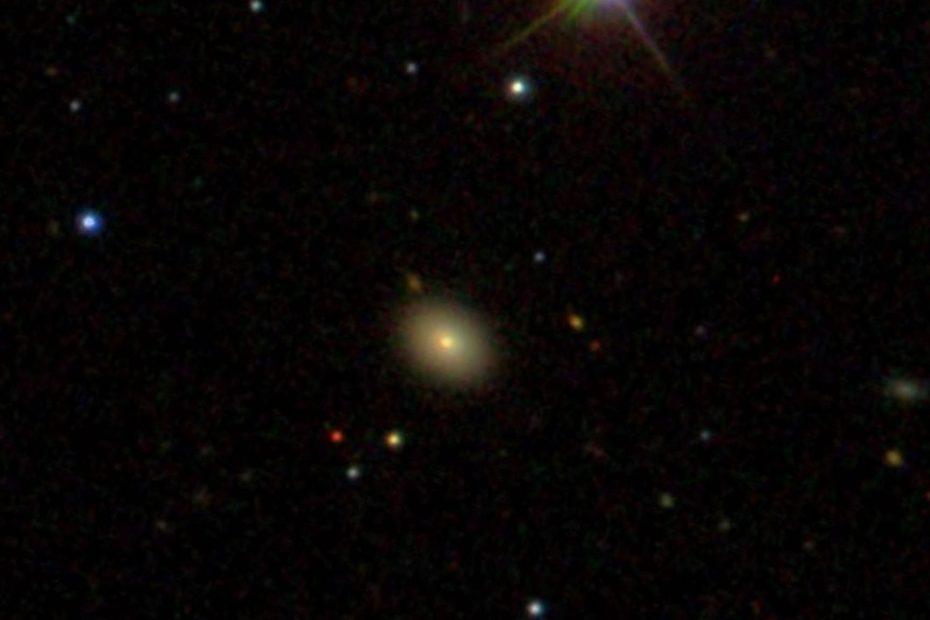
BY:SpaceEyeNews. Markarian 501 black holes may be approaching a remarkable turning point. Radio observations suggest that two enormous objects share an exceptionally tight orbit inside…
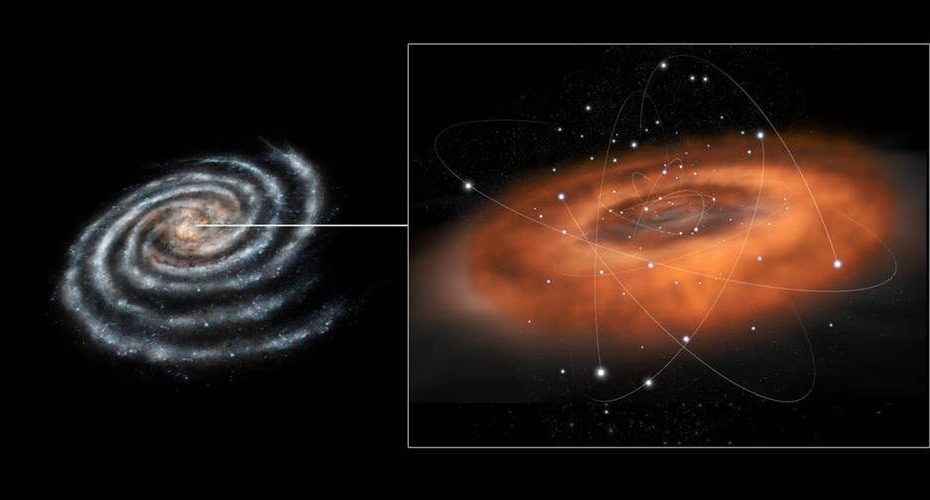
BY:SpaceEyeNews. Supermassive black holes may not always remain at the centers of their galaxies. After merging, some could move away from their original positions, leaving…
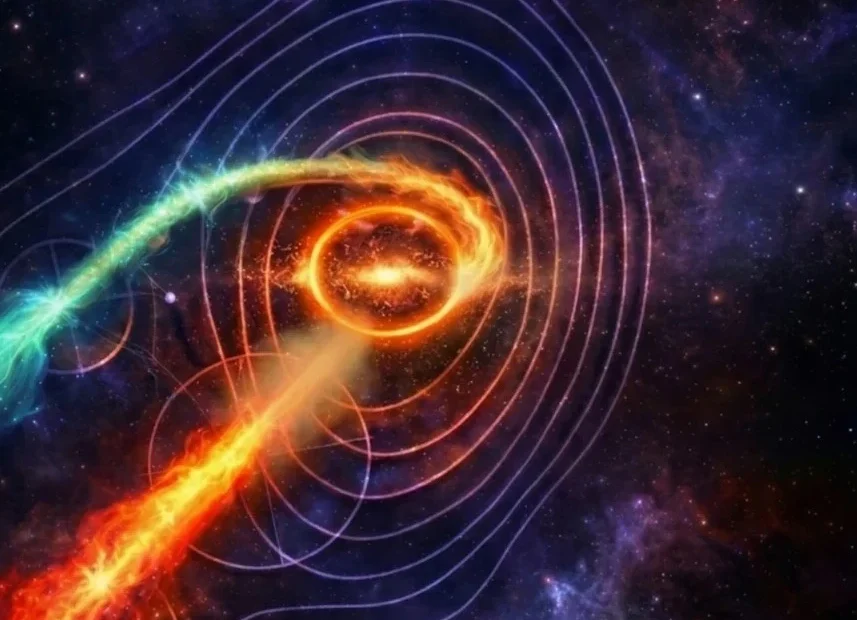
BY:SpaceEyeNews. The Markarian 501 black holes could be approaching a merger on a surprisingly short timescale. Researchers have identified a second particle jet in the…
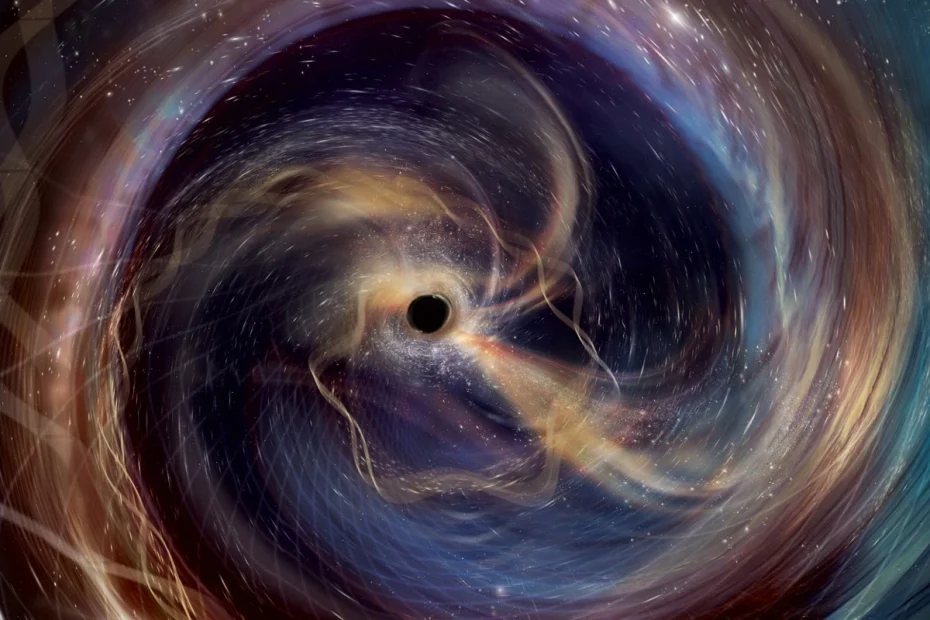
BY:SpaceEyeNews. Black hole lookalikes have fewer places to hide in the signal from one remarkable cosmic merger. Researchers examined GW241011 to test the identity of…
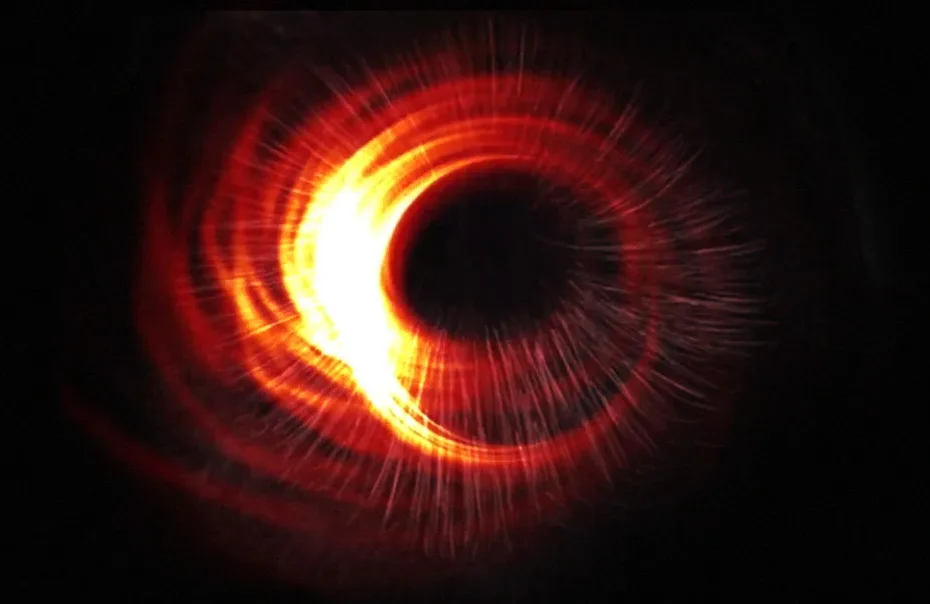
BY:SpaceEyeNews. Black hole hair could leave a recognizable signature in the fading waves that follow a black hole merger. Scientists now have a clearer idea…
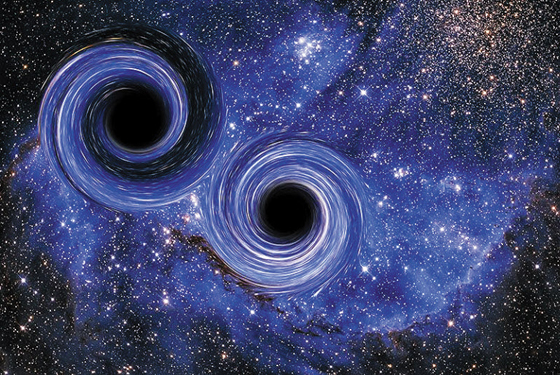
BY:SpaceEyeNews. Two black holes merge, but the gravitational-wave signal does not end at that moment. The new remnant continues to vibrate while settling into a…
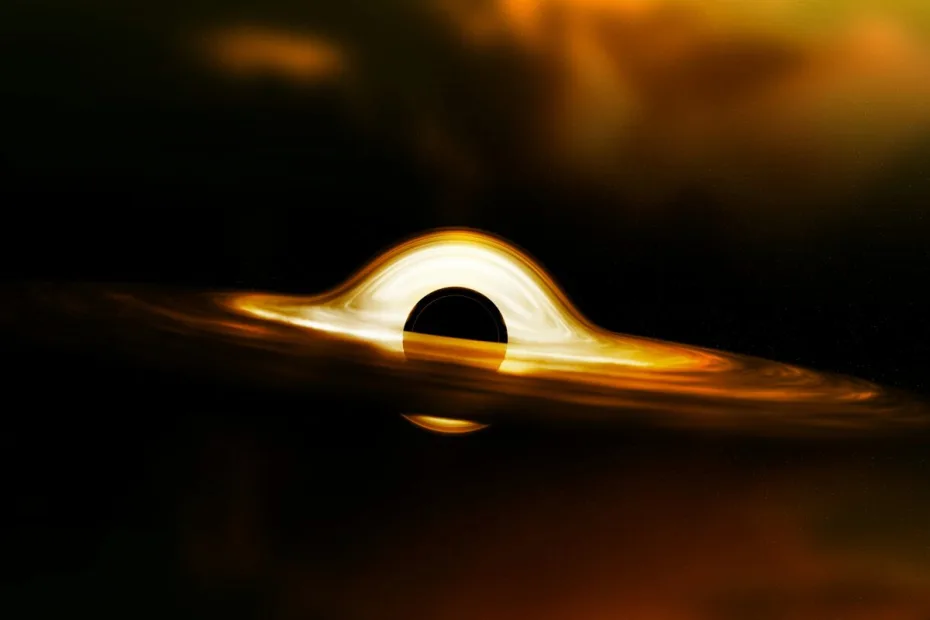
BY:SpaceEyeNews. A faint gravitational-wave hum may carry clues about black holes born near the beginning of cosmic history. Researchers have explored whether hypothetical dark stars…
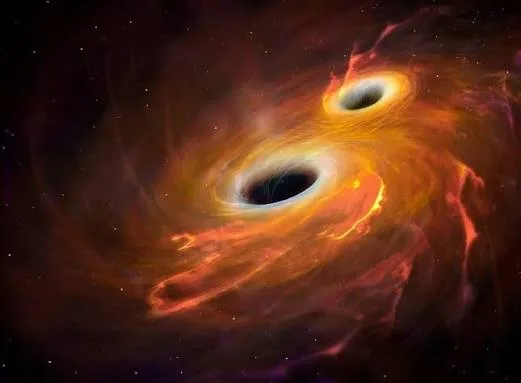
BY:SpaceEyeNews. Some black holes detected through gravitational waves may have experienced more than one merger. Instead of forming directly from a single collapsing star, they…