
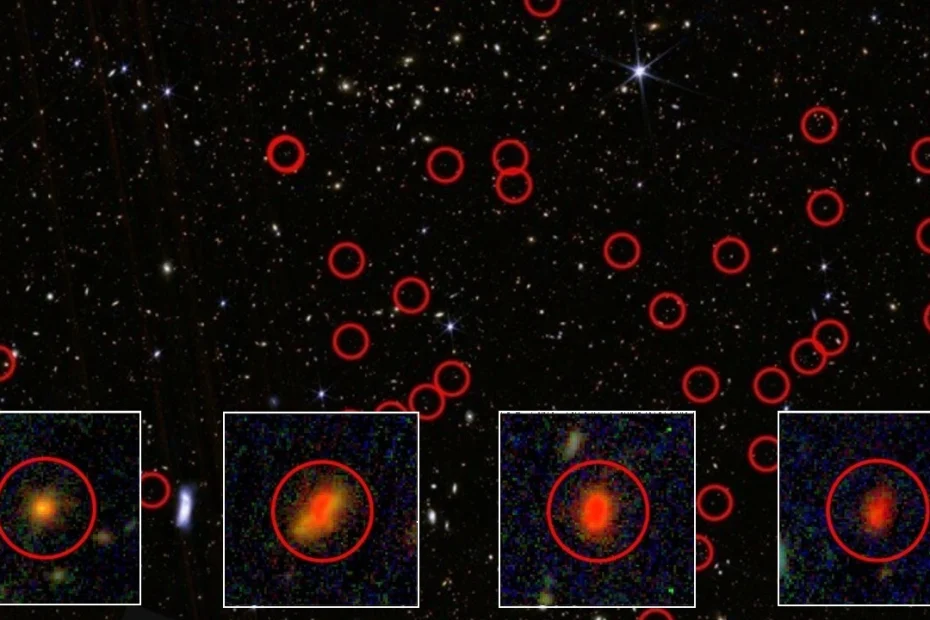
Little Red Dots: Hidden Galaxies Offer New Clues
BY:SpaceEyeNews. Little Red Dots may owe part of their mystery to the galaxies surrounding them. Astronomers studying James Webb Space Telescope images have uncovered faint…
BY:SpaceEyeNews. Little Red Dots may owe part of their mystery to the galaxies surrounding them. Astronomers studying James Webb Space Telescope images have uncovered faint…
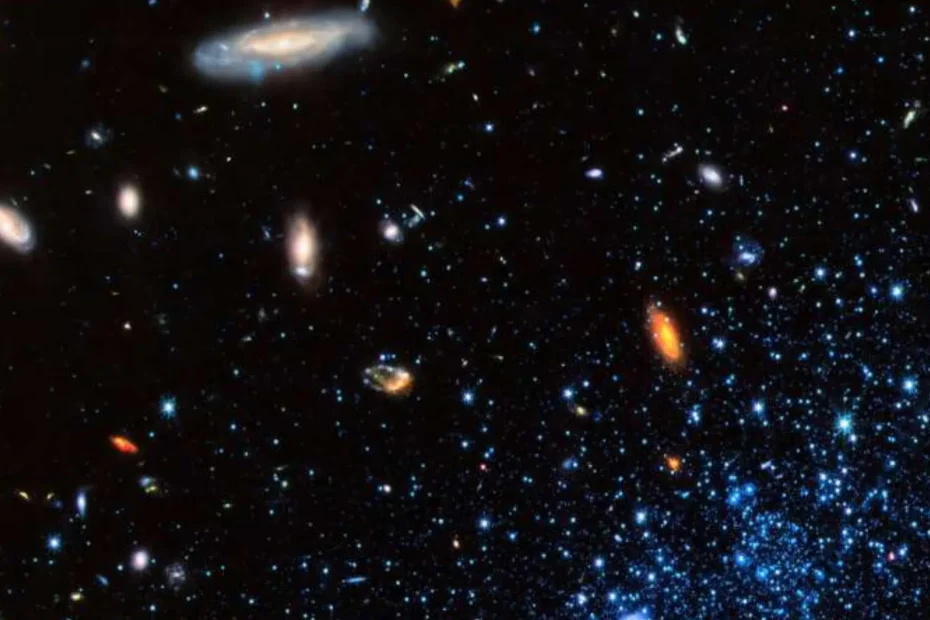
BY:SpaceEyeNews. Primordial helium has given scientists a sharper view of the universe’s first five minutes. An international team has measured its original abundance with approximately…
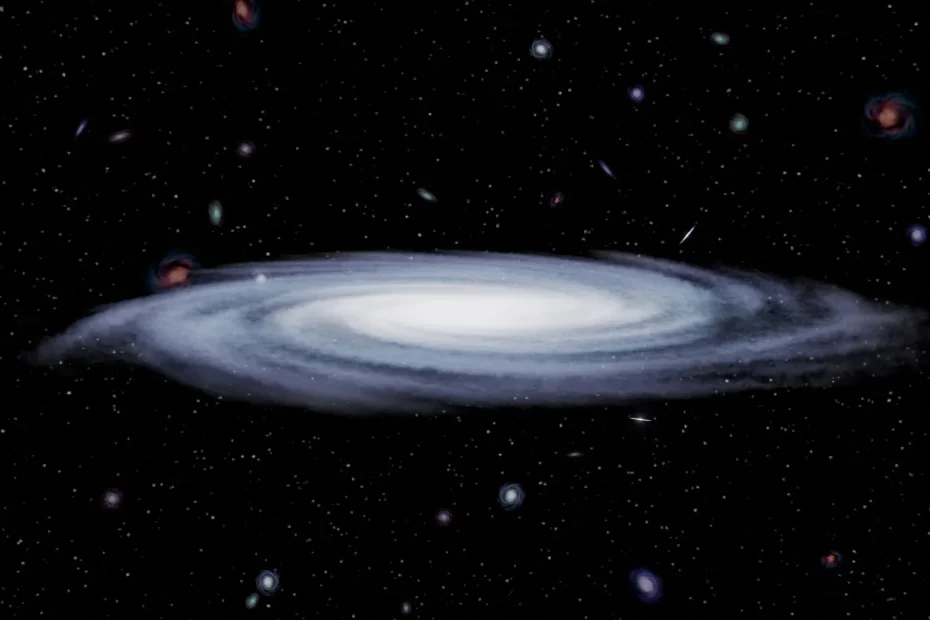
BY:SpaceEyeNews. Oxygen in an early galaxy reveals how quickly the young universe began developing chemical complexity. Astronomers detected the element in JADES-GS-z14-0, a galaxy we…
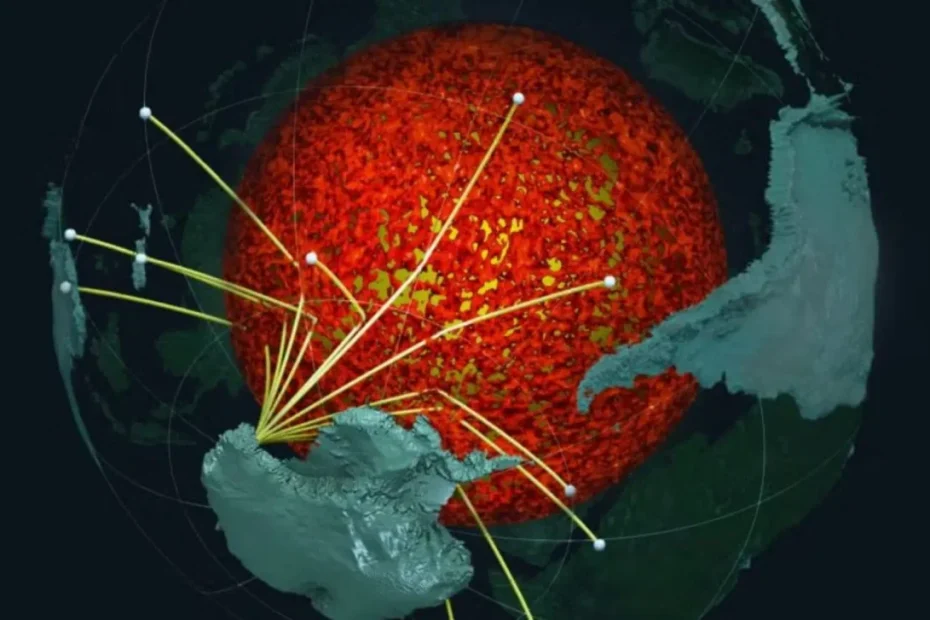
BY:SpaceEyeNews. SN 2023aeaf is giving astronomers a rare glimpse of a massive star’s final stages when the universe was about two billion years old. Its…
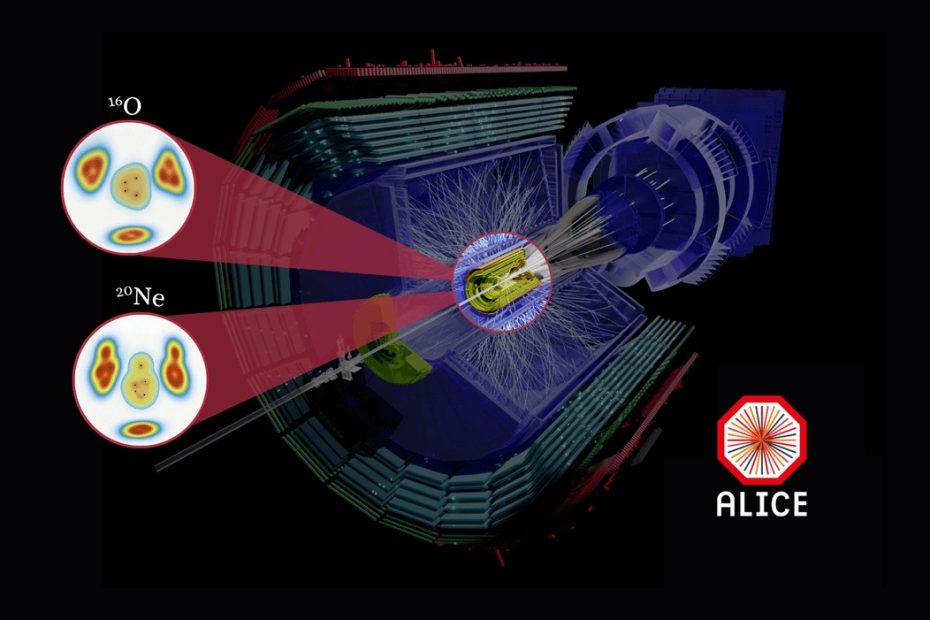
BY:SpaceEyeNews. CERN primordial plasma research has pushed one of particle physics’ most important boundaries. Scientists found strong evidence that oxygen-16 and neon-20 collisions can create…
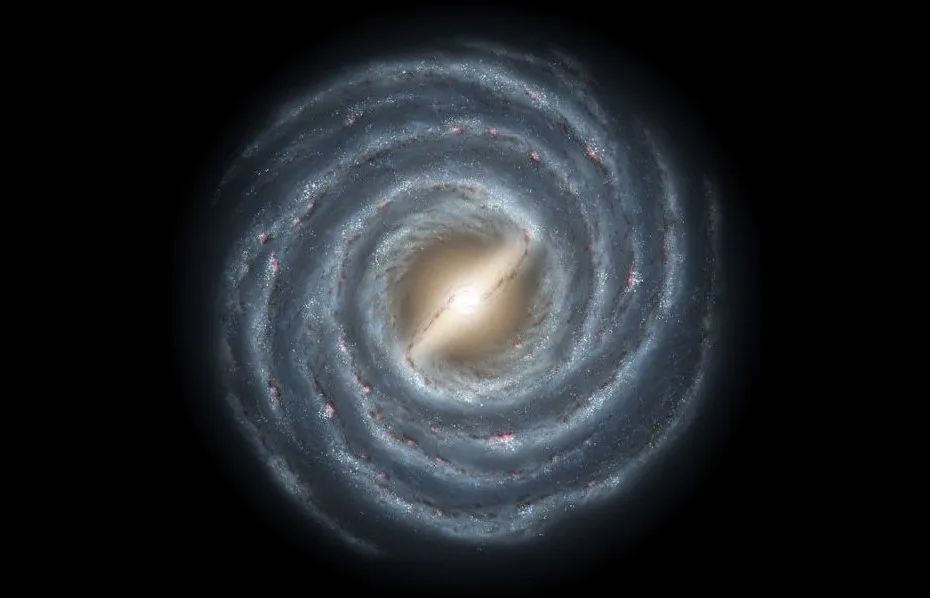
BY:SpaceEyeNews. Dark matter outweighs ordinary matter throughout the universe, yet its identity remains unknown. One intriguing candidate has now returned to the scientific spotlight. New…
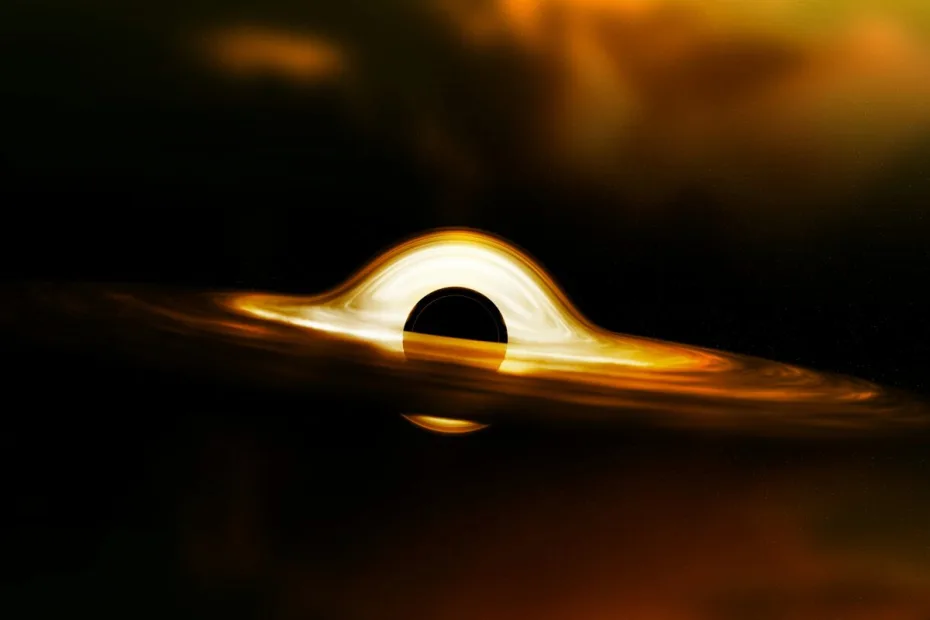
BY:SpaceEyeNews. A faint gravitational-wave hum may carry clues about black holes born near the beginning of cosmic history. Researchers have explored whether hypothetical dark stars…
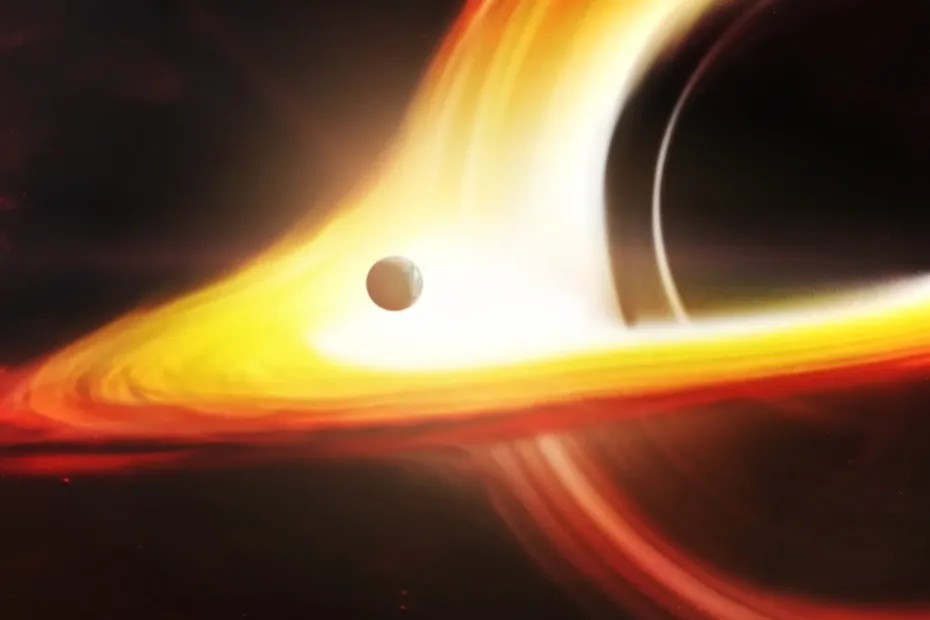
BY:SpaceEyeNews. The James Webb Space Telescope has found an object that could reshape ideas about the universe’s earliest giant black holes. The source, named MoM-BH*-1,…
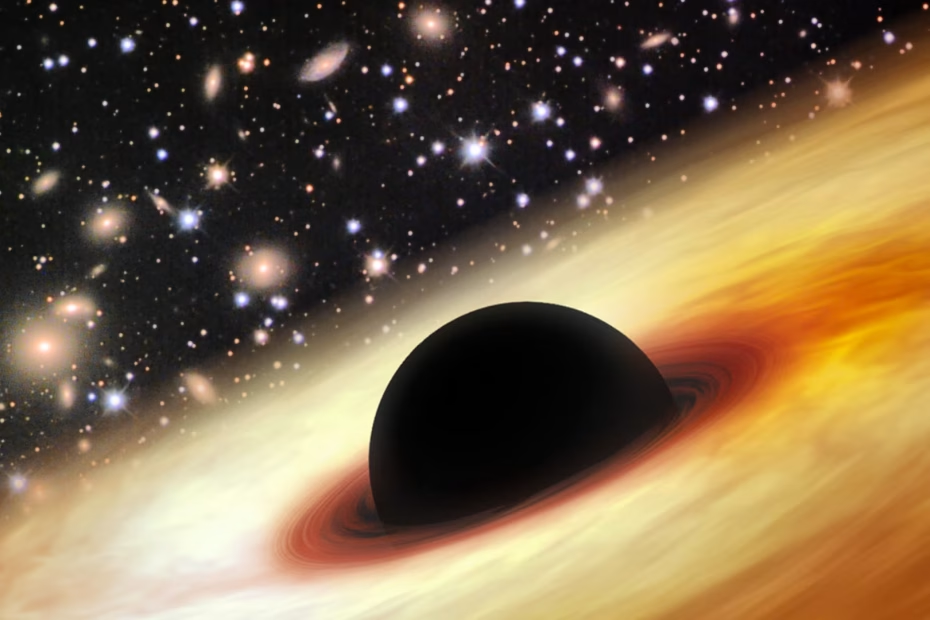
BY:SpaceEyeNews. ESA’s Euclid space telescope has uncovered a population of quasars from the earliest chapters of cosmic history. The Euclid quasar discovery includes 31 previously…

BY:SpaceEyeNews. Webb early galaxies are creating one of the biggest puzzles in modern astronomy. Some appear bright, massive, chemically developed, or strangely mature. Yet we…